Sarajevo
In Sarajevo, coffee is more than a drink; it is a centuries-old ritual woven into the city’s cultural fabric. Introduced during Ottoman rule, Bosnian coffee became a symbol of hospitality, conversation, community, and resistance. Its history reflects Sarajevo’s blend of Eastern and Western influences—shaping both daily life and the cherished traditions that locals hold dear. So pour out your džezva, grab your fildžan, and join us for a jaunt through the city’s streets!

It’s always the smell and the sound. Coppersmiths hammer as coffee bubbles in tin-coated copper džezvas, creating an invisible alloy that perfumes the city with something both ancient and alive.
Flatbreads emerge from stone ovens, sprinkled with black sesame seeds, reminding you that the present can evoke the past. Then a church bell chimes, followed by the muezzin’s call echoing through the valley, prompting you to question whether this city harmonizes its contradictions.
You begin to understand why Sarajevo is called the European Jerusalem. A mosque, a Catholic church, an Orthodox church, and a synagogue coexist in the same neighbourhood. One cobblestone street may resemble Karakoy in Istanbul, but just a few steps further, you find a district reminiscent of Vienna or Graz.
Sarajevo, the capital of heart-shaped Bosnia and Herzegovina, has long been a meeting point of empires. The Ottomans ruled for nearly 500 years until the late 19th century, followed by the Austro-Hungarians. In Sarajevo, Gavrilo Princip pulled the trigger, Franz Ferdinand fell, and World War I began. After the Great War, the Kingdom of Yugoslavia emerged, officially titled the Kingdom of Serbs, Croats, and Slovens. I recall asking myself in history class, ‘If Bosnia and Herzegovina were a part of that new kingdom, why isn’t our name on the sign?’ Behold: your first whiff of our identity crisis.

During World War Two, the Communist-led Partisan resistance proclaimed the Democratic Federal Yugoslavia, which later became Socialist Yugoslavia. This transformed Sarajevo into a vibrant cultural capital, recognized globally for hosting the 1984 Winter Olympic Games and being home to Energoinvest, Yugoslavia’s largest engineering exporter. It also gave rise to the rock and punk subculture known as The New Primitives across various media.
However, Yugoslavia was a political project, and over time, the Communist party lost its ideological strength as ethnic and nationalist tensions grew. After Croatia and Slovenia seceded, Bosnia and Herzegovina followed, but Bosnian Serbs boycotted the independence referendum. Rejecting the outcome, they mobilized against Bosnia and Herzegovina, leading to a brutal war and the longest siege of a capital in modern warfare. The scars of war remain visible today, with mortar shell marks on the streets, yet Sarajevans walk by them as if they belong.
Despite wars and shifting empires, the city refuses to be defined by a single identity. It embodies both Eastern and Western influences, serving as a cultural crossroads, a warzone, and a symbol of resilience. Throughout its tumultuous history, it has preserved its coffee culture: the džezva never ceased to bubble, even amid shelling. In the face of a fragile political landscape and pervasive corruption, the people here often turn to rituals that sustain them, reflecting a deep-seated fatalism passed down through generations.
To understand our mindset, it’s important to recognize that most Bosnians are Muslim, a legacy of Ottoman rule that introduced Islam into our culture. This Islamic context subtly shapes our social norms and collective temperament. In Sarajevo, fortune is fickle; thus, amid political dysfunction and global uncertainty, we prefer to sit, smoke, and placidly sip coffee. As a Sarajevan, I believe that we’ll watch the world burn and simply remark that we’ve seen worse, as we take a sip—an imperishable Bosnian trait.
Ottoman heritage
The Ottomans ruled Bosnia for nearly 500 years (1463–1878), leaving a lasting impact on architecture (from mosques to urban planning), religion, cuisine (Bosnian cuisine is a milder version of Turkish and Greek fare), language (rich in Turkisms), and our social fabric characterized by tradition, warmth, and respect. The first coffee house in Sarajevo may have opened as early as 1592—before those in London, Paris, and Vienna!
‘Bosnian coffee’ is a Turkish-inspired brew that has evolved uniquely in this region. It’s prepared in a copper džezva, often ground in a heavy brass hand grinder, which can leave a round bruise on your hip—humorously noted as a sign of a ‘proper Bosnian woman at the beach’. The coffee is served in fildžan, handleless cups typically housed in copper sleeves for heat retention. Copper is essential; it heats evenly, is easy to shape, and is an excellent conductor of heat. Each piece of a Bosnian coffee set is lovingly crafted by local coppersmiths, showcasing intricate filigree designs. Coffee culture is so ingrained that roasting your own beans at home with a hand-crank roaster called šiš was once commonplace, using green coffee easily found in markets.
‘Porcelain stands as a fragile witness; the coffee ritual embodies remembrance. Even after the worst has passed, people still gather. Grief and coffee deserve to be cradled in both hands.’

What distinguishes Bosnian coffee from Turkish coffee? In Sarajevo, referring to it as Turkish coffee will likely earn you a correction before you take your first sip. Bosnian coffee is made by adding boiling water to slightly dry-roasted coffee grounds, whereas Turkish coffee combines the grounds with cold water before boiling them together. When serving Bosnian coffee, you pour it at your own pace, leaving much of the thick residue in the džezva. In contrast, Turkish coffee is typically served in a single cup, increasing the likelihood of residue. A serving of Bosnian coffee includes a cup of water, a džezva, a fildža, Turkish delight, and sugar cubes. Both traditions involve the practice of reading coffee grounds (tasseography), a fading ritual at gatherings that offers insight into present uncertainties.
Kafanas, or coffee houses, served as more than just social space; they were unofficial universities of life. In these smoky rooms, the illiterate learned from the literate, news was shared, stories were told, and politics were discussed in whispers. Kafanas became fertile ground for rebellious ideas, where once-unacceptable thoughts gradually gained acceptance, prompting some sultans to send spies or shut them down entirely.
Their appeal, however, was undeniable. By the early 19th century, as nationalism emerged, the popularity of these spaces grew. Coffee remained hot, discussions became bolder, and the empire grew uneasy until tensions reached a boiling point.
The flashpoint of 20th century
The 1878 Congress of Berlin placed Bosnia and Herzegovina under Austro-Hungarian control, defining its identity as a country caught between empires. The arrival of Austrians in the late 19th century introduced a more punctual and polished imperial rhythm, balancing two worlds.
This duality is evident in its coffee culture. Austrians brought Viennese coffee houses to Bosnia and Herzegovina, featuring marble tables, waistcoated waiters, and Sachertorte in cities like Sarajevo—places where revolutions were planned over black coffee and newspapers. Notably, in 1914, Archduke Franz Ferdinand and his wife Sophia were assassinated during an official visit.
Gavrilo Princip, the young assassin, reportedly planned the attack in a Belgrade coffee house. His bullets ignited The Great War. ‘If only Gavrilo hadn’t shot, we would have been a part of Austria today,’ my grandma says, only half-joking.
Mid-century zenith
After the empires withdrew and the world wars concluded, a shared idea emerged. Socialist Yugoslavia implemented workers’ self-management, allowing for global travel; passports provided access to both East and West without the need for visas—handy during the Cold War. This period also saw the arrival of the Gastarbeiters, with many Yugoslav workers moving to Germany primarily for construction jobs. Legend has it that they invented a drink while there: a mix of instant coffee and šljivovica (plum schnapps)—dismal in taste, prioritizing function over flavour, and often inducing nostalgia-fuelled heartburn.

Espresso likely made its way to Sarajevo in the late ’60s or early ’70s, fitting seamlessly into a city already accustomed to strong, bitter beverages. It arrived through Trieste, Yugoslavia’s free trade gateway. As the iconic rock band Zabranjeno Pušenje notes in their yugonostalgic anthem ‘Yugo 45’, ‘Fill the car with soup, then off to Trieste for jeans.’
That same band also helped launch New Primitivism, a subcultural movement in music and satire inspired by Monty Python’s absurdity. They captured our local humour: self-satirical, dry wit filled with cultural in-jokes. So when asked which era I’d time-travel to, it was an easy choice: Sarajevo in the ’80s.
In 1984, Sarajevo hosted the Winter Olympics, a peak moment we still cherish—many say ‘Sarajevo was the center of the world back then.’ Now, only faded Olympic symbols and dusty souvenirs remain. I remember cadmium-orange Olympic memorabilia and tiny Vučko figurines at my great-grandmother’s house, harmoniously clashing with traditional Bosnian ornaments like lace doilies and prayer beads. It was the only global sports event where both the Soviet Union and the US participated—evidence of Yugoslavia’s unique diplomatic soft power.
However, the dream eventually unravelled. From 1992 to 1995, Sarajevo endured the longest siege of any capital in modern warfare. For nearly four years, the city was encircled—sniper fire, shells raining down on rooftops, water cut off, and power sporadic. And yet, the coffee never ceased.
‘Specialty coffee struggles to gain favour with the local palate and is mainly ordered by tourists. Filter brews are often dismissed as weak or unfamiliar, as locals typically prefer the thicker, bitterer stuff.’

Coffee during the war
It’s astonishing how something so simple could could carry such meaning. Coffee became an act of resistance, a way to maintain sanity, and a reason to converse, even as the world outside deteriorated. Scarcity turned sharing into a radical act; wartime coffee was hard to come by, leading to the use of substitutes like barley, dandelion roots, or roasted lentils, which were brewed and re-brewed multiple times.
As a child, gatherings during Eid and Ramadan were filled with wartime anecdotes—dark stories that radiated warmth and hope. Although I was born after the war and thought its impact was not mine to bear, those narratives pulled me back, revealing how we inherit trauma and rebuild. Coffee became a vessel of memory.
Contemporary artist Aida Šehić transformed coffee into a powerful element in her installation ‘Where Have You Been?’ Made from 8,372 fildžan cups—one for each life lost in the Srebrenica Genocide—each cup serves as a collective elegy. On July 11th, the International Day of Reflection and Commemoration of the Srebrenica Genocide, Aida awakens her installation by brewing coffee into each cup. Passersby are invited to join her ritual, confronting the extent of the tragedy—coffee becomes both a memorial and a communal act. When the performance concludes, the stacked cups reflect how human remains were catalogued. Porcelain stands as a fragile witness; the coffee ritual embodies remembrance. Even after the worst has passed, people still gather. Grief and coffee deserve to be cradled in both hands.
Modern coffee in Sarajevo
Today, despite a rich heritage of traditional Bosnian coffee, Sarajevo has become a city of espresso drinkers. Espresso outsells traditional coffee due to its quicker preparation in cafes. Yet, some rituals endure: leisurely sipping and unhurried conversations. Our lengthy espresso sessions would likely stun the average Italian. Here, coffee serves as a socially acceptable excuse to linger and chat, reflecting the complex essence of Sarajevo.
Conversely, specialty coffee struggles to gain favour with the local palate and is mainly ordered by tourists. Filter brews are often dismissed as weak or unfamiliar, as locals typically prefer the thicker, bitterer stuff.

The first specialty coffee shop and roastery, Ministry of Ćejf, opened in 2017. Ćejf, like the Scandinavian concepts of hygge and fika, emphasizes savoring moments without haste, often centered around coffee. The founder Reshad Strik, an Australian with Bosnian roots, aimed to introduce specialty coffee to Sarajevo, sourcing beans from Guatemala and Papua New Guinea and experimenting with light-to-medium roasts. I remember my first cup of their Ethiopian Guji Kercha: while it may not be to everyone’s taste, I admire their commitment to bringing such bold flavour profiles to the city. However, after a few successful years, the energy shifted when Reshad moved to Turkey for acting, resulting in a change of ownership for the business, and Sarajevo’s only specialty roastery closed, though the cafe continues operating under new management.
To understand why Sarajevo’s specialty coffee scene remains stalled, I spoke with Saša Šestić, the Bosnia and Herzegovina-born 2015 World Barista Champion and a pioneer in Australia’s specialty coffee landscape. ‘Sarajevo’s specialty scene is reminiscent of Canberra’s 15 to 20 years ago. To advance, local coffee professionals must prioritize authentic learning and skill development rather than relying on shortcuts and marketing gimmicks. It is essential to foster a genuine barista community by inviting experts and organizing events. People will quickly recognize the difference between true specialty coffee and superficial branding,’ says Saša.
Although the scene remains niche, a new generation is eager to make strides. Barista couple Lejla Krasnić and Hamza Crnica are veritable nerds when it comes to coffee extraction and have established Bosnia and Herzegovina’s National Barista Organization. Their goal is to create a framework for training, host championships, and eventually send a competitor to international SCA competitions.
To illustrate their dedication, consider this: When Lejla and Hamza learned that Saša was in town for just a few hours, they felt compelled to impress him, despite lacking suitably standout coffee. They improvised with a batch of 70-point Colombian green, roasting it in the cafe’s croissant oven. Although it was far from his usual cup, Saša found it memorable, especially after hearing about its unique roasting method. Lejla’s joy in sharing this experience embodies Sarajevo’s spirit—resilient, stubborn, and unyielding despite the challenges life presents.
So, when sipping coffee on Sarajevo’s cobblestone streets, remember that you’re tasting centuries of resilience, and perhaps you will carry a piece of that same ćejf with you to enjoy in your own city.
Coffee & Sights


1. Ministry of Ćejf
Sarajevo’s first specialty coffee shop is located on the vibrant Kovači Street (literally ‘Blacksmith Street’). In addition to Bosnian coffee and espresso drinks, try traditional syrup drinks made with local rose (đulbešećer), mint, elderflower, or juniper. Pull up a stool and soak in the steady hammering of the surrounding coppersmiths while overlooking life in the Old Town square.
2. Tito Café
Adjacent to the Historical Museum of Bosnia and Herzegovina, Tito Café offers a nostalgic atmosphere filled with socialist-era memorabilia. You can enjoy an espresso in the garden next to a decommissioned World War Two tank—an unusual reminder of Sarajevo’s past. Whether you’re a history buff or seeking a conversation starter, Tito provides a unique glimpse into the city’s revolutionary history.
3. Mahir Bakery
Above Kovači, Mahir Bakery fire-roasts dough in a wood-fired oven, filling the air with smoky sweetness. Their signature somun, a puffy flatbread studded with black sesame seeds and charred at the edges, is ideal for scooping up ajvar or homemade cheese. They also offer Bosnian-style pizzas topped with kajmak (cream cheese), and smoky meats. The line spilling onto the street, especially during Ramadan, reflects a pilgrimage to experience Sarajevo’s culinary traditions.
4. Kiren
Across from Mahir is the Baškuća Hotel’s restaurant, Kiren, named one of Time’s ‘World’s Greatest Places 2025’. They blend Bosnian and Anatolian cuisine with a modern twist. Enjoy traditional dishes like Bey soup (a rich chicken and okra soup) or sogan dolma (stuffed onions with minced meat and spices), along with decadent sweets like roasted pumpkin dessert with kajmak and tahini. Kiren’s culinary future is as daring and boundary-pushing as its past.


5. Tip Top Pastry Shop
Downhill, we find Tip Top, a retro sweet spot run by a family from Kosovo since the late ’30s. Inside, Formica tables, glass pastry cases, and eclectic souvenirs evoke mid-century charm. The star here is halva, a dense, crumbly confection swirled with chocolate, served with frothy boza, a tangy, naturally fermented corn drink. Tip Top focuses on passing down recipes and rituals, honouring the generations who came before and those to come.
6. Viennese Café (Hotel Europe)
Entering the Viennese Café feels like stepping into another century. For almost 130 years, this elegant salon with baroque mouldings and crystal chandeliers has witnessed it all. Waiters in starched waistcoats glide between marble tables, offering classic Viennese melanges or espressos topped with whipped cream, served with no shortage of aplomb.
7. Dibek Coffee
Not a roastery or coffee shop, Dibek is a coffee-grinding house where beans are ground using a traditional mortar-and-pestle method from Ottoman times. This results in a coarser grind that affects the coffee’s flavour and texture. Grab a bag of dibek-ground coffee as a perfect gift for those who appreciate slow methods that yield rich rewards.
8. Bazerdžan
Bazerdžan, named for the Ottoman-era drapery bazaar, curates the best of Bosnian contemporary artisantship, fashion, and art. Its shelves brim with handmade cosmetics, art books, local fashion, and filigree jewelry crafted by descendants of traditional coppersmiths. Coffee lovers will smile at the džezva-shaped pendants, a playful nod to coffee’s significance.


9. War Childhood Museum
The world’s only museum dedicated to children’s experiences of war displays hand-stitched dolls, faded schoolbooks, broken toys, and diaries from the Bosnian War (1992–95). The exhibits unfold like personal stories: first crushes interrupted by shelling, secret games played under sniper fire, and birthday cakes made with substitute ingredients. Although there’s no coffee available on site, you may find yourself craving one, or something stiffer, afterwards to steady your emotions and honour the rituals that sustained hope amid horror. This museum is challenging but unforgettable.
10. Džirlo Teahouse
Just below the Ministry of Ćejf, Džirlo Teahouse offers a selection of local and exotic teas, alongside Bosnian coffee. In a cosy space adorned with colourful lanterns and mismatched sofas, owner Husein hand-pours each cup and engages guests in conversations that outlast the lifespan of your drink. Džirlo highlights Sarajevo’s cafe culture, focusing on hospitality and serendipitous exchanges.
11. Kawa
Located downtown, Kawa is a specialty coffee shop that serves as a cosy workspace for remote workers during the day. By night, it transforms into a cocktail bar featuring jazz trios and monthly pop-up events with guest DJs. The cafe blends cosmopolitan charm with a distinctly Sarajevan vibe.
12. Abandoned Bobsleigh
Located on Trebević Mountain, just a 20-minute drive from the city centre, this bobsleigh and luge track was once known as one of the fastest and safest in the world. Built for the 1984 Winter Olympic Games, it now stands abandoned, marked by visible scars from the war. Surrounded by dense forests, it offers a refreshing setting for summer strolls and serves as a thrilling cycling track for adrenaline seekers.
Keep reading
Become a reader—from $60/year
A membership helps us stay independent, create a whole range of stories across our different platforms, and continue to invest in creative community we work with.
Join Standart Already a reader? Log-in here.
Explore more stories

Rachel Apple is a Cup of Excellence Head Judge, photographer, and co-founder of Raise the Bar, a community and education platform for specialty coffee professionals. She loves bin diving for vinyl,...
As the sun set in Zimbabwe’s lush Honde Valley, I watched kids push car tyres up and down the street, racing each other through the village. In Africa, most often, less is more. People are used to ...

Los Angeles resists clean outlines, and its coffee culture lives somewhere between softness and grit. Built from migration, precarious work, and long-standing food traditions, it moves at uneven te...
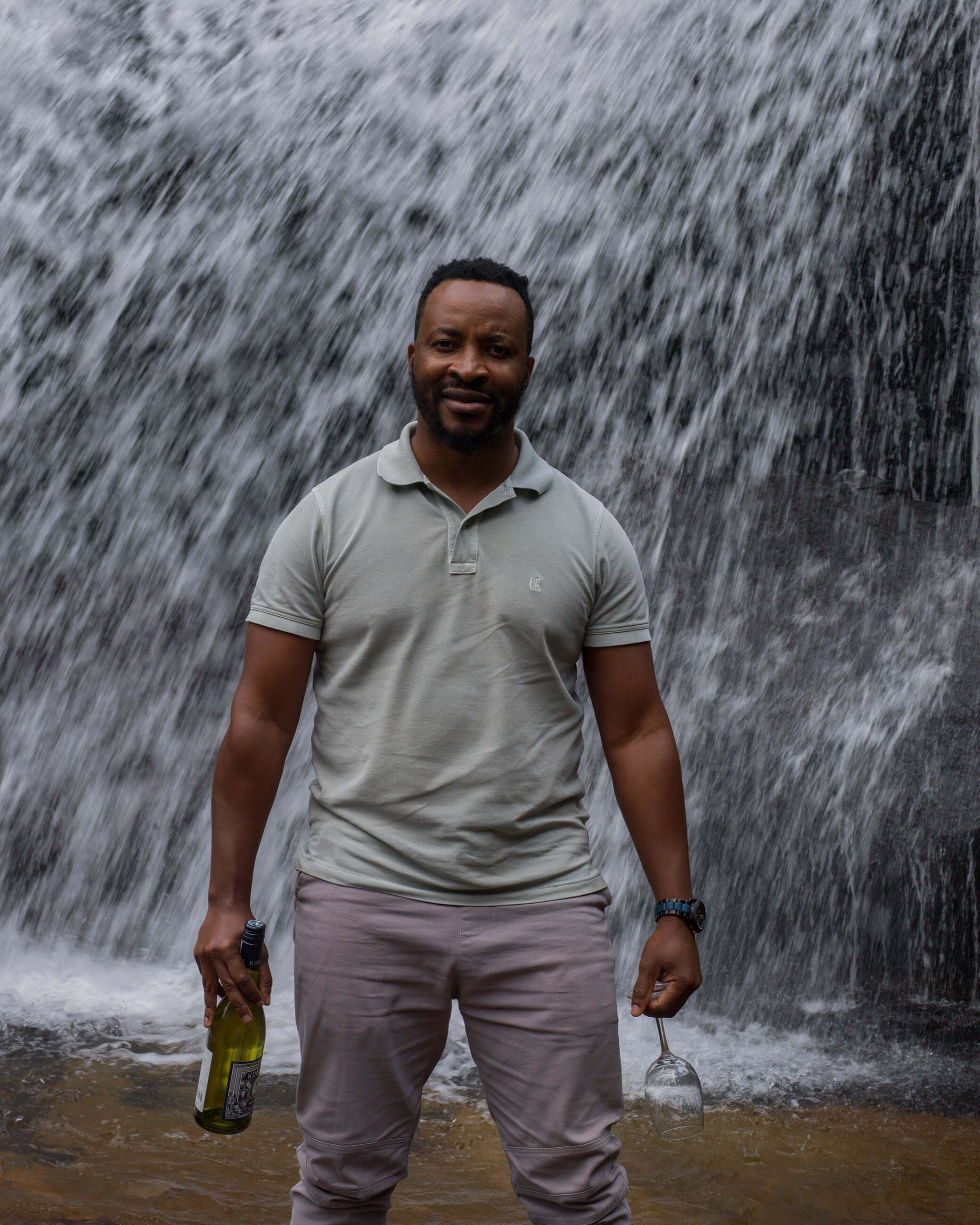
Tinashe Nyamudoka, founder of Kumusha Wines and Kumusha Coffee, is more than a world-class sommelier; he is a symbol of how wine, culture, and competition can challenge global narratives about tast...

When exploring foreign lands, few feelings compare to the triumph of discovering something known only to locals. Realizing these euphoric moments requires a healthy pinch of boldness, however; one ...
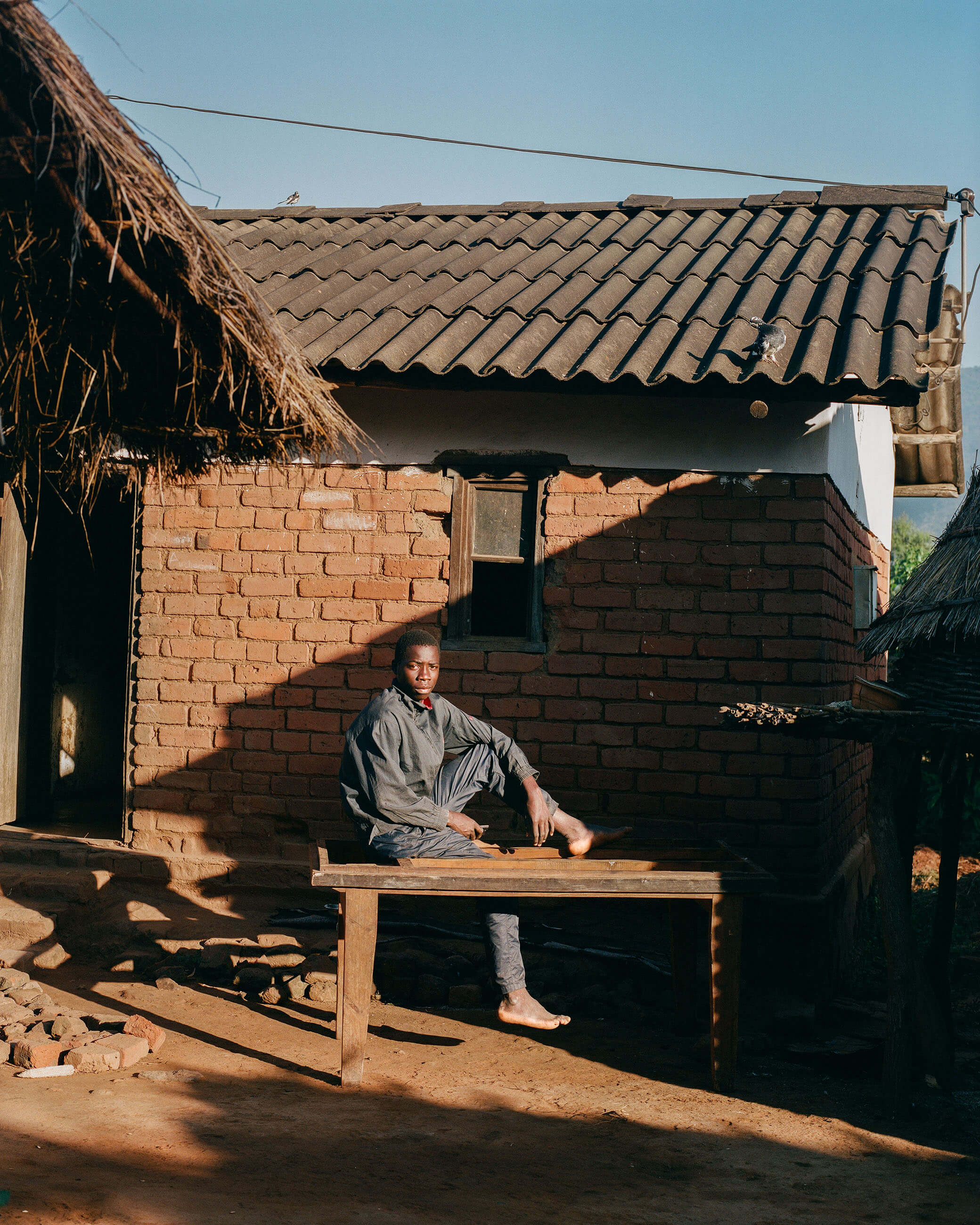
Some coffee origins are still in the process of becoming. Malawi is one of them—a place where potential feels tangible even if not fully realized. Farmers are steadily shaping a future for their co...

Blue-sky ski days to negroni nights, Hakuba is a 24-hour town hidden in the Japanese highlands. From the staunch octogenarian locals fiercely guarding their old traditions, to the young crowd of mu...
In recent years, matcha has become one of the most popular drinks ordered and enjoyed in cafes around the world. But with its growing popularity, several issues have also emerged, ranging from a la...

As coffee grew cheaper in 18th-century Europe, it spread beyond the elite, alarming German rulers. In Prussia, Frederick the Great saw it as a threat to order, economy, and authority. His efforts t...

Valtteri Bottas is a known quantity at Standart, being as he is a past interviewee and co-owner of Finnish roastery Kahiwa. He moves quickly, and not only when he’s piloting an earthbound rocket ar...