

Public Consumption: Addis Ababa
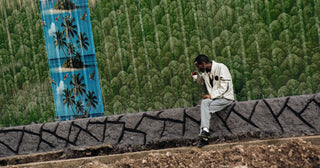
Ethiopia is the birthplace of humanity and Coffea Arabica, giving rise to both our species and the coffee that would shape cultures worldwide. In Addis Ababa, a city of over six million, this relationship unfolds daily in informal roadside cafes, on street corners, and in neighbourhood courtyards. Construction sites disappear behind hoardings printed with forests, waterfalls, and wildlife, creating fleeting illusions amid one of Africa’s fastest-growing cities. Yet, amid this transformation, the ritual of sharing coffee remains remarkably unchanged. Coffee is an important part of daily life in Addis Ababa; people gather to drink it, discussing various issues, sharing ideas, talking about family and community matters, and simply enjoying time together. Coffee is more than just a drink—it is a significant social tradition and a meaningful part of daily life and Ethiopian culture. During a recent commission in the city, photographer Carl van der Linde captured coffee-drinking moments throughout the city.


Published in Standart Issue 44
Keep reading
The rest of this story is for members. Members get four print issues a year, a coffee with each, every story in the Library, and the Standart Community app.
$5 a monthBilled annually at $60
There is more where this came from
This story was a gift from a member. Members get four print issues a year, a coffee with each, every story in the Library, and can share stories like this one.
$5 a monthBilled annually at $60

City Profile: Los Angeles
Los Angeles resists clean outlines, and its coffee culture lives somewhere between softness and grit.
Sabine Parrish ( text ) &
Damien Maloney ( images )
Know someone who would like this?
Members can give the whole story away.
More Places

Kuala Lumpur
Sarapan is breakfast. Makan Tengah Hari is lunch. Makan Malam is dinner. Minum is drink. And coffee is… not quite so simple.
Alexandria
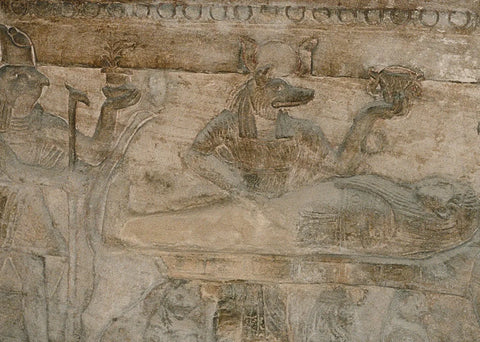
In Alexandria, bride of nostalgia, cafes may be little wormholes through which the tourist travels back in time.

Mochas & Moguls: A Snow-borne Sojourn to the Sunrise Land
Blue-sky ski days to negroni nights, Hakuba is a 24-hour town hidden in the Japanese highlands.
Also in Issue 44
Rewriting Value
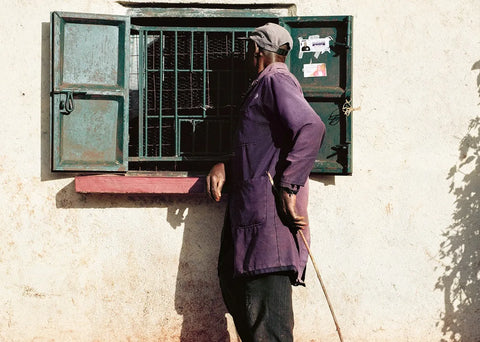
Kenyan coffee is world-class; the system that sells it was built by people who believed Kenyans shouldn’t grow it.

What Do You Taste?
Specialty coffee conquered Prague years ago; keeping it conquered is Ondra Štökl’s job.

¿Pero por qué Pacamara?
I’ll never forget my first time roasting a pacamara.
Favourite stories
Jaime Hayon
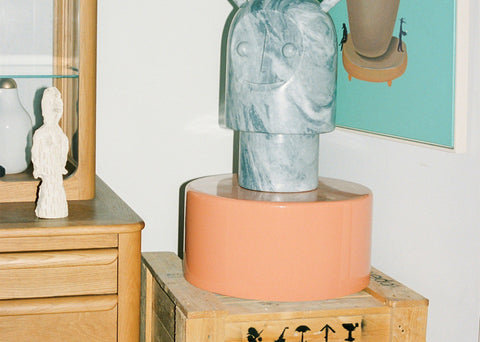
Aside from bridging the gap between artist and designer with installations in some of the world’s most auspicious locations, Spanish artist…
City Profile: Venice
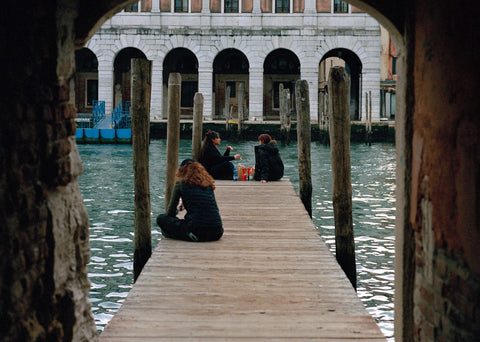
Slowly sinking under the weight of more beauty than can be consumed locally, Venice is less a museum than a gorgeous,…

Long Live Decaf!
Decaffeinated coffee is experiencing unprecedented popularity.
Share the storyGive this story to a friend
Your friend can read the whole story.
Your friend can read the opening of the story. Members can give the whole story away. Become a member
Your friend can read the opening of the story.
As a member you can share any story in full. Your friend reads all of it, free, for seven days. No account needed.
Ethiopia is the birthplace of humanity and Coffea Arabica, giving rise to both our species and the coffee that would shape…
Share to your Instagram story
Your link is copied. Add this picture to your story, then choose the Link sticker and paste.