Aside from bridging the gap between artist and designer with installations in some of the world’s most auspicious locations, Spanish artist Jaime Hayon is a coffee fiend. Aware of this penchant of his, we invited him for a chat, where we discussed everything from his creative process to the ideal coffee shop design.
Jaime Hayon
Good afternoon, Jaime. I know from our prior correspondence that you are speaking to me from your hometown, Madrid, but that you are usually based in Valencia when you’re not traveling.
That’s right. I grew up in Madrid until my teenage years—16 or 17—and then went to the United States to finish high school. After that, I returned to Madrid to study design at the European Institute of Design and trained in industrial design at the École Nationale Supérieure des Arts Décoratifs in Paris. My time there was formative; it allowed me to meld my passions for design and art, which is the foundation of my career. After that, I was based all over.
And you still travel a lot now. When you’re not at home in Spain, what do you miss most about it?
I’m so used to traveling for work that it feels like my home. I feel like a global citizen, connected with what’s happening in Europe, Korea, Japan, or the United States. Travel is essential for my work; I bring observations, conversations, objects, thoughts, colours, and stories into my practice.
Being back in Valencia is about catching up with friends over wine, enjoying good food, and reconnecting with my team at the studio. I do a lot of hands-on work, so being in the studio is about focusing on that aspect.
[Following prior expressions of anticipation, Jaime is brought a coffee.]
Beautiful! May I ask what sort of coffee you’ve got there?
This one is from a nearby coffee place called Mission. They have great filter coffee, which is my preference—a V60 with mild, mellow fruitiness, always served in a beautifully designed cup.
Of course! Now, to continue the question of design, when did you know you wanted to become a designer? Was there something in you as a child that signalled a certain temperament?
My family is more business minded. My mother is a typical Spanish mother, focused on home and cooking. My father is a businessman, and my two brothers are in economics and real estate. As a kid, I was the odd one out for wanting to do something creative. They thought I was a bit crazy, especially since breaking into the art and design world is notoriously difficult. I was always curious, asking ‘Why?’ often, experimenting with everything around me, and obsessing over why objects were the way they were.
I have an organized, constructive, and practical side alongside a wild side that wants to break the rules, influencing my approach of floating between design and art. Once my family understood my difference, it felt natural for me to pursue something creative.

Do you think the difference between design and art is necessarily a stark one?
I debate that a lot. What is art, and where does it end and design begin? I might not be the best person to answer because I’ve enjoyed playing on the edges. My approach seems holistic, even though others might feel differently. Design is meant to serve society and industry, but can’t art do that too? My work exists between things, reimagining concepts and breaking rules. This in-between aspect has allowed me to ‘serve’ the world and succeed. In all my work, whether functional or non-functional, there is an interplay between the industrial and the craft-based and artistic.
For instance, I’ve had exhibitions in art institutions, where it was exciting to bring functional elements into that space. Conversely, I’ve exhibited in design museums and showcased a creative side of functionality, inspiring people to dream, be curious, and explore. My philosophy revolves around that. I have an unshakeable belief that things can be different, and I aim for that to come through in my work and in people’s experiences of it.
This multi-faceted approach isn’t new; it has existed since the Renaissance. But, for some reason, in our world of excess, we began to feel the need to classify things to make sense of them.
Do you think that working across both disciplines helped you break into the creative world more easily?
I think it confused people, but what helped my design grow and become popular was always giving it a sense of story. Good art carries a story, and once you understand that story, the concept becomes explosive and relevant.
When designing a new chair, my instinct is that we don’t need just another chair; it must communicate meaning or surprise. When I taught at various universities, I would present an object that looked delicate, as if made of glass, then throw it to the students. Their panic would turn to relief when they discovered it was actually made of silicon. This surprise is what I want my art to evoke; it must tell its own story. Good design offers a space for a story that unfolds over time, whether it’s a surprise, a new understanding, a reward for curiosity, or a life-changing realization.
That’s what I strive for: to infuse design with an artistic essence, encouraging people to care about certain objects rather than merely buying more. My success comes from navigating this in-betweenness guided by a personal code of asking how things can be different, making it easy to create anything.
‘Good art carries a story, and once you understand that story, the concept becomes explosive and relevant.’
In the stories you try to tell through your work, are there particular themes you focus on?
Yeah. Every story has a structure, and the inclusion and balance of themes are part of that structure. A few years ago, I was asked by the Mayor of London to create an installation in Trafalgar Square. I created a giant chessboard with 7-foot-tall chessmen, which I called ‘The Tournament’. Why?
Well, it’s Trafalgar Square, home to the enormous monument to British Royal Navy officer Horatio Nelson, commemorating the British victory over the French and Spanish at the Battle of Trafalgar. I thought it was pretty cool that a Spaniard was asked to do it!
Anyway, there I was, considering what I wanted to express through the work. First, I needed that sense of surprise and to do something differently. The setting required a massive scale, but I also wanted to use a familiar material, so I decided on ceramic, but at an uncommon scale—first theme. Second, I’m in London, near Buckingham Palace, aware of the history of kings, queens, bishops, knights, and castles—second theme! Third, I think about the battles, strategies, tactics, patience, and timing—third theme! Alongside these, there’s the overarching theme of history, where I take a historic moment, examine what I have in front of me, and create something powerful.
Another recurring theme is folklore. It’s beautiful because it reveals our humanity. It shows how we are similar in creating stories, myths, and practices everywhere, yet how different we are too.
I think because I haven’t yet eaten lunch, I’m musing on food, and wondering how an artist/designer might approach such a mundane subject: What is your favourite food?
Rice, because it’s like porcelain. Not only in colour but also because it’s common across the world, yet treated differently in every region, and is very expressive. Whether it’s paella, sushi, or risotto—give it to me!
Somehow, I expected you to approach the question through the lens of colour, another great theme!
Oh yeah! I am an obsessive colour enthusiast and use colour in my work a lot. I enjoy working with harmonies, finding sophisticated ways to combine colours, sometimes in combinations that the mind might consider clashing but that the eye doesn’t.

items behind you in a vibrant room. What is the most beautiful object in this room?
Oh, there are so many, but my eye is drawn to my girlfriend and the amazing pair of trousers she’s wearing!
Exceedingly good answer!
I really like the archway and how the colours it’s painted in interact with each other and enhance other colour themes in the room. I appreciate the shelf behind me, which is thin and elegant yet made of leather, which is usually associated with toughness.
That sense of surprise…
Exactly. To me, it’s essential. If you have a sturdy and comfortable armchair, I want its feet to touch the ground lightly, almost as if floating, so its stature is lightened by how it interacts with the room and the viewer. I’m reminded of a restaurant doorway I designed. It was massive, but I wanted the experience of using it to feel extraordinarily light. I told my team we needed very special hinges, and they were like, ‘I don’t know. Jaime, you get too crazy with this kind of shit. It’s already difficult to make a 15-ft-tall door open at all!’ And I was like, ‘Yeah, I know, but imagine, man!’
I was particular about it. I wanted the customer to feel that an enormous, heavy door would be difficult to open, then experience it as weightless, like butter! No one could use that door without feeling immense surprise.
For me, objects are actors, and space is the setting for the action. You need to think about it like a movie; consider the entrances, exits, and all the plots and sensations that can unfold, facilitating that magic. When you enter another room, like a bathroom, it should feel like another world. This is what makes designing spaces fun!
Would you consider yourself uncompromising?
Sure. I’ll find a way for creativity to win. For example, when I was commissioned to design the Standard Hotel in Bangkok, the client said, ‘That’s too expensive; we can’t do that.’ I responded, ‘Okay. Let’s make the corridors like shit. We’ll save money and create contrast, so the rooms feel especially grand. The corridors didn’t actually look bad; they were just minimal, and the effect worked!


‘Good design offers a space for a story that unfolds over time, whether it’s a surprise, a new understanding, a reward for curiosity, or a life-changing realization.’
Is there a design trend you find annoying or troubling?
Oh, very much. The world is changing too quickly. Technology has made communication so fast and easy that it loses nuance and effectiveness; remarkable design and art projects receive media attention for a moment before fading away. People can’t engage anymore. It’s a hard world to navigate; it’s incredibly complex. My concern is not just about design but an overall anxiety about the direction of the world. With all this AI stuff… How could you not be worried when even the experts seem to have no idea what they’re doing or talking about?!
Well, quite. On to happier subjects: when was the last time you felt truly overwhelmed by beauty?
I think I have a lot of those moments because I’m always seeking them. Beauty, even transcendent beauty, can be found in the small details of everyday life. For me, beauty is everywhere. You can attune yourself to beauty, learn to observe it, and seek it where it resides. Then you have wonderful moments where it hits you out of the blue like a magic spell.
We agree. Speaking of beauty in everyday moments, what considerations would inform your design of the perfect coffee shop?
A coffee shop must be comfortable. You have to be careful with trendiness and comfort.

Don’t you think some of the uncomfortable seating arrangements common to many coffee shops are by design, to discourage people from sitting there all day on their laptops?
Sure, but to address that concern, consider designing thinner tables specifically for laptop-free use. They shouldn’t take up too much space and should still be conducive to comfort.
A coffee shop should be a library of knowledge. My café might have its own house blend, but there would also be a shelf with a selection of coffees from roasters worldwide. I would exchange coffees with other cafés in the area, like collecting cards. Coffee would facilitate negotiation: ‘Hey, I’ve got this; you give me that.’ Fostering that exchange among local coffee lovers would be perfect. It would be a peaceful place, with considered lighting, something green and natural, perhaps even the sound of running water. I would design the space so people would feel it criminal to drink coffee while staring at their phones. In my coffee shop, no one looks at their phones; they put them in a locker and enjoy their coffee.
There would be two types of chair: a regular chairs and a lounge chair. The regular chair would be metallic, easy to clean, and without upholstery, as that would look terrible almost immediately. Or perhaps a wooden Danish design, with good back support and a place to hang your coat.
The lounge chair would be a one-and-a-half seater to create harmony; if you have your bag, a book, or even a child, you can have them with you. The chair back should be low enough to support your back while allowing you to turn your head to order coffee.
Such a coffee shop would be a gift. Speaking of which, what’s the best gift you’ve ever received?
A box of pencils that I received 24 years ago. I love it when someone asks what sort of pencils I use, and I can show them these incredibly well-worn pencils. They’re beautiful and serve as a sort of history of personal colour preference based on which coloured pencils are shorter or longer. Another one is my Hario V60. The design is perfect, it’s easy to use, and I’ve made countless cups with it over the years.
We spoke earlier about transitory spaces, like doors and corridors. Do you have a favourite seasonal transition?
Transitions are not necessarily tied to a season. They embody the concept of yin and yang, provoking the rhythm of life, with ups and downs like a roller coaster. They teach that happiness cannot exist without sadness, and success without failure; opposites are essential for meaning. Transitions should be observed and learned from. Even in your worst moments, recognize that they will pass because life is cyclical.

Keep reading
Become a reader—from $60/year
A membership helps us stay independent, create a whole range of stories across our different platforms, and continue to invest in creative community we work with.
Join Standart Already a reader? Log-in here.
Explore more stories

Rachel Apple is a Cup of Excellence Head Judge, photographer, and co-founder of Raise the Bar, a community and education platform for specialty coffee professionals. She loves bin diving for vinyl,...
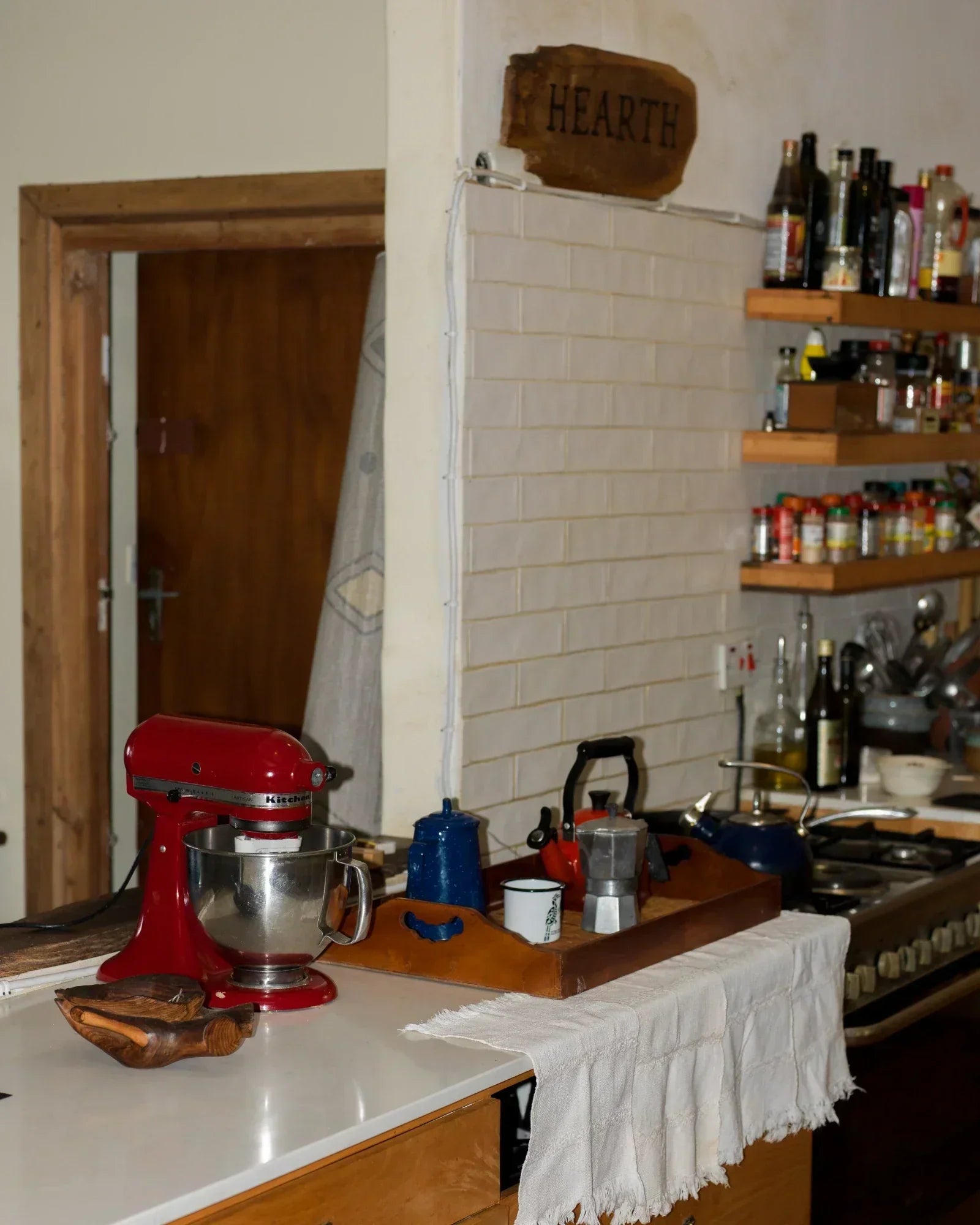
As the sun set in Zimbabwe’s lush Honde Valley, I watched kids push car tyres up and down the street, racing each other through the village. In Africa, most often, less is more. People are used to ...

Los Angeles resists clean outlines, and its coffee culture lives somewhere between softness and grit. Built from migration, precarious work, and long-standing food traditions, it moves at uneven te...
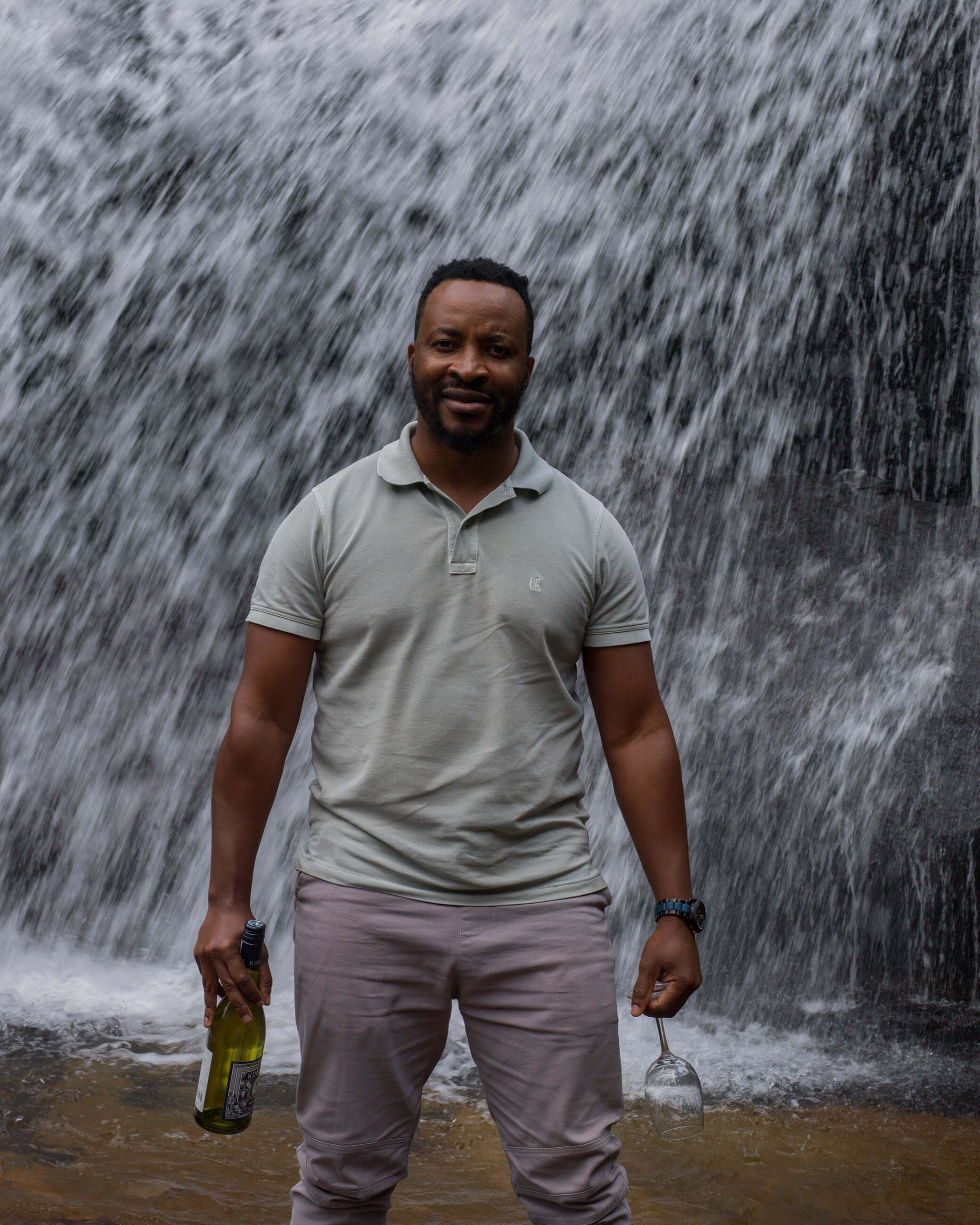
Tinashe Nyamudoka, founder of Kumusha Wines and Kumusha Coffee, is more than a world-class sommelier; he is a symbol of how wine, culture, and competition can challenge global narratives about tast...

When exploring foreign lands, few feelings compare to the triumph of discovering something known only to locals. Realizing these euphoric moments requires a healthy pinch of boldness, however; one ...
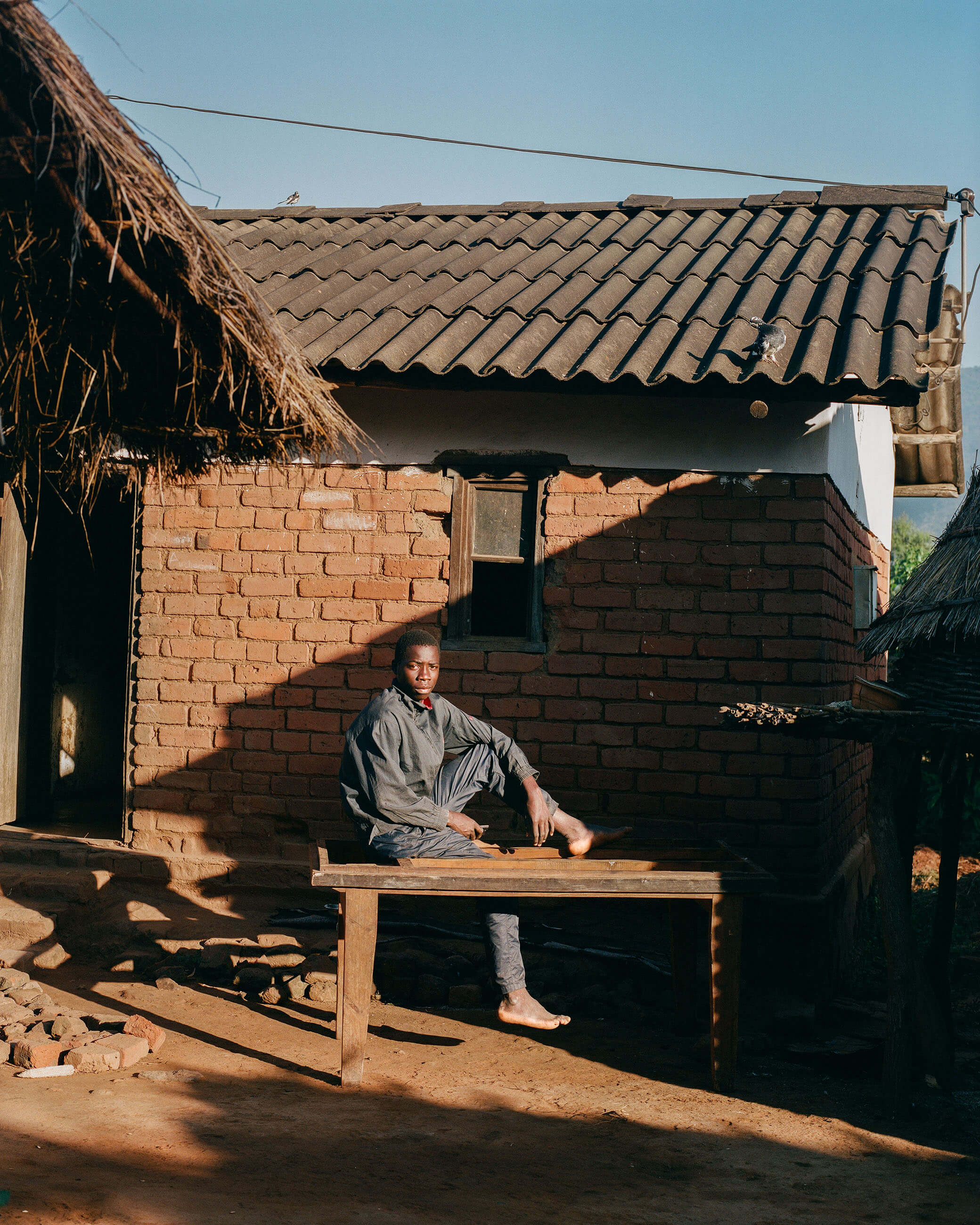
Some coffee origins are still in the process of becoming. Malawi is one of them—a place where potential feels tangible even if not fully realized. Farmers are steadily shaping a future for their co...

Blue-sky ski days to negroni nights, Hakuba is a 24-hour town hidden in the Japanese highlands. From the staunch octogenarian locals fiercely guarding their old traditions, to the young crowd of mu...
In recent years, matcha has become one of the most popular drinks ordered and enjoyed in cafes around the world. But with its growing popularity, several issues have also emerged, ranging from a la...

As coffee grew cheaper in 18th-century Europe, it spread beyond the elite, alarming German rulers. In Prussia, Frederick the Great saw it as a threat to order, economy, and authority. His efforts t...

Valtteri Bottas is a known quantity at Standart, being as he is a past interviewee and co-owner of Finnish roastery Kahiwa. He moves quickly, and not only when he’s piloting an earthbound rocket ar...