Mochas & Moguls
A Snow-borne Sojourn to the Sunrise Land
From Blue-sky ski days to negroni nights, Hakuba is a 24-hour town hidden in the Japanese highlands. From the staunch octogenarian locals fiercely guarding their old traditions, to the young crowd of mustachioed Australian DJs, it’s illustrative of Japan’s new East-meets-West culture, and its slackening grip on the past.
Published in Standart Issue 43
Modernity
Snow falls thick and fast and ugly over the rice paddies. A skier swerves slowly, sexlessly, into the snow drift beside me. He must be new to this. I push off downhill, feeling only slightly and fleetingly embarrassed at being so much better than him as the world blurs with speed.
The resorts in Hakuba are only just regaining popularity after peaking with the 1998 Winter Olympics before shuddering to somewhat of a limp, lethargic stop. Until recently, the town was studded with Japan-only chains, instructions rendered solely in Kanji, and hotels seemingly impossible to book without local guidance through the over-the-landline process. Japan felt like an unreachable, Galapagean place, with flip phones abounding until as late as c.2019.
I’ve holidayed in Hakuba most of my childhood. From my native Singapore, it was a temperate escape and, my father claimed, with Heraclean authority, the closest place with decent music venues (Naeba, nearby, hosts Fuji Rock, Asia’s largest festival). Here, one could experience a bucolic unlike what was possible in places like Singapore, or Hong Kong, or Beijing—bicycling in the lazy hot summers through dense paddy terraces, and skiing in winter’s electric, abandoned white silence.
The sudden influx of Australian tourists a few years ago seems to have revitalized the dormant town. Now, Hakuba rivals Niseko as Japan’s premier skiing destination, with whispers of an Aman resort even a Four Seasons scouting the slopes. The days of empty pistes and wild white yonder are long gone.
I am not quite sure how to feel about this. The blur of the ski slope slows as I pull up to the cafeteria, and I pop off my skis with Bond-like efficiency. On the one hand, it was a bit like watching your favourite club getting posted on TimeOut and suddenly heaving with people, longer queues, and more expensive ticket prices. The sleepy childishness of the Kamikura snow festival was bulldozed on account of a need for deck chairs with beer koozies and properly hand-brewed V60 coffees. On the other hand, I could still almost taste the old coffee options, acrid-yet-tasteless brown water that gurgled from the hot chocolate/coffee/oolong tea machine. Perhaps the sudden confluence was good for something after all?
My ski boots thunk-thunk-thunk across the matted carpet of the cafeteria. I get a sludgy brown coffee from the push-button machine that is somehow still here, and wonder whether my editor would be interested in my review: acrid, tasteless, terrible, home.

Lunch break
Even though it’s become known as Aspen of the East, Japan is not like Europe or America when it comes to winter sports – no après-ski, no fondue, no rabble-rousing or swishing down the slopes sloshed. It’s a serious business. Grizzled pensioners whip past you in their Lady Diana all-in-one waterproofs as smooth as skating, and silent lone-wolf types hunch over themselves on the lifts, consulting the laminated map, saying nothing. I help an old man in lurid dandelion-yellow dungarees pick up a dropped ski pole, placing it horizontally into his waiting palm. He says nothing. I panic and bow. He still says nothing, and skis away.
Hakuba 47 is my favourite resort; I have been skiing here since my first day in Japan. As I kit up, a Bentley SUV pulls up behind me, dropping off a family of presumed oligarchs, their catsuits so tight and shimmering they could be the theoretical cast of Barbarella Does Backcountry. I wonder where they got them. Snow Peak has its headquarters here, not far from the North Face and Patagonia showrooms.
The North Face cafe has that Japandi modernist feeling, as though you’ve been trapped inside a large, not-turned-on sauna. People work from home there, sitting at the long wooden table and staring out into the wall of windows, watching the snow fall in thick, sugared clumps. They serve coffee in takeaway cups, and have a Starbucks-esque seasonal menu that gets Instagrammed next to the succulent plants ‘curated’ across wide raw-wood worktops, inspiring an eternal indoor summer.
It’s not summer here, though. The mountain ranges, blue in the early light, overlap one another like sleeping cats. The trees on one ridge cross-hatch over the trees of another, outlining each in slightly darker colours, as though the going-over of a paintbrush, bristling in an unheard wind.
This picturesque Zen scene is summarily ruined by a species of yelp emanating from a Japanese snowboarder, cushioned by plushie tortoiseshells strapped to his arse and knees, having fallen over. He pops back up, unharmed. His friends cheer the Turtle Victorious all the way down. Ganbatte! Faito!

Recovering from the blizzard, I slide into Carol, a concrete cafeteria at the top of the gondola station. It recently added a lovely little cedarwood coffee bar, a miniature idyll set against the pounding wind and frenetic queues of families outside eating katsu, their spoons heaped with rice and pork and curry sauce.
The coffee area looks like half a hinoki bathtub, and young workers grind, tamp, and pour coffees like an assembly line. One girl has a glittery star on the dovetailed corner of her eyelid; another has nails so delicately decorated they look like blown glass. My hands are so cold they burn, and I wonder how she fits her gloves over the glittering Hello Kitty bauble on her thumbnail. The coffee bar looks out of place in the utilitarian, Eastern Bloc-ish cafeteria, with its lightwood surface and soup-bowl-sized mugs.
She places my cappuccino on a small wooden tray and bows. It tastes delicious. I have learnt my lesson and do not bow back. Instead, I walk downstairs to the less-crowded seating area, where the indoor smoking room is.
The smoking room sits diagonally to the rest of the restaurant, populated by people of every age and equally Soviet in character. I never go in—there are some levels of etiquette I have yet to understand—but the badly-frosted doors reveal a young woman in a facemask texting with nails so ornately decorated I wonder how such a thing is even possible, an old man sipping an Asahi with his legs spread and a hand on his forehead, contemplatively puffing smoke and watching it spread reverse-waterfall-wise across the ceiling, and a man with a quiff so stiffly gelled it bifurcates the smoke. I sip my coffee, and watch the snow from the window reflect across their smoky, frosted faces.


Smoke break
I push off the corner of the cigarette vending machine and descend upon Holy Smokes, a speakeasy that serves a heroically strong negroni and whose Australian bartender will regale you over the music and at no additional cost as to just how superior Japanese gin is to all other gins. He’s probably right. I settle in the neon-lit smoking room and begin to eavesdrop on surrounding conversations. Everyone is still in ski gear (or clothing approximating ski gear), chatting up their neighbours. ‘Are you from Australia?’ a man asks a woman next to him. ‘No way! Me too!’ Yes way. Holy Smokes may as well be Nova South Wales; no one here is Japanese. All the girls have short, bitten nails; the men, ubiquitous 2026 moustache/mullet combos.
There’s a DJ on tonight. The room is young, significantly younger than the Hakuba I remember from childhood, where pensioners drank small Asahis until they fell asleep blushing in Hie, the main izakaya. People flirt, spill drinks, promise to meet up on the slopes tomorrow. The bartender says everyone here is a ski instructor. Old Lucky Strike adverts paper the walls and the neon logo blurs bright red as I finish my drink, equally heroically.
‘Are you Catholic?’ the man next to me asks, apropos of nothing in the chic, distinctly not-Soviet smoking room,. His hair, not thick enough to part the smoke, curls into his close-cropped mullet and tache.
‘Not yet,’ I tell him. His friend shows up, and I am saved. Not religiously, unfortunately. I simply no longer have to speak to this stealth zealot.
‘I can’t believe I burnt my moustache off!’ cries his friend. ‘How does anyone manage that?’
I wring my way through the pollution of people to the dancefloor. Hot bodies, hot room, everyone reeking of cigarette smoke dry sweat in snow. I sip my negroni again. A girl in the corner films a TikTok, explaining her life as a ski instructor in a hidden Japanese mountain town. I try to transpose the smoking area in the 47 Cafe, my childhood of making ice cream from fresh snow, the empty silence of a run on Christmas day in 2009, onto this scene. Is this what ageing feels like? Being fuller of memories than the present moment? In the mirror above the bar, I see myself red from heat, and drink, and perhaps shame. I do not have a mullet.
I get a text from my editor. ‘Have you finished the article yet?’
The phone screen swims before my Campari-coloured eyes. I wonder if he is Catholic. I do not ask. Negronis are, after all, only so strong.


Tsugaikekogen
That night lasts into the morning, in the shape of a bastard of a hangover brewing behind my eyes. We wake up for the opening of Yamawarau, a small coffee roaster situated by the paddy fields. Ire, who roasts beans in a medieval-looking cast-iron roaster, brews me a cup on the house as I buy two bags. Yamawarau is one of the few specialty coffee places popping up in town, a sign of young, trendy Japanese people moving in to breathe new life into the ancient village. It seems to be run exclusively by Ire, who operates with naval efficiency, a bandana tied across her forehead. The bare room, with only the roaster and cash register, offers a view of her house and a little girl pressed against the window, watching the first customers.
Another favourite is the Hakuba Coffee Stand, which brews coffee with fresh snowmelt and plasters Murao, the official Hakuba mascot, on all its merchandise. Murao is a horse with a human body and wings, and lies, resplendent, emblazoned, French-girl-style across the doors of the tourist office.
As I get back into the car, the sun hits the slopes in a burnished bronze slide, and the first few people begin to fleck the mountain, all awkward skids. Ire’s wonderful coffee tastes of forgiveness in the horrible hungover sun.
I woke up this early to get the first tracks at Tsugaike-kogen, one of the valley’s trendier ski resorts. While most resorts retain a gimcrack, ramshackle 1970s feel, Tsugaike has a foot spa, DJ, Pokémon collaboration, and the town’s only fast-food restaurant, a ski-through Burger King.

Tsugaike’s gondola stretches for miles, stopping halfway to deposit beginners at the bunny runs and the foolhardier at the top. Noting the crowd snaking from it, I stop for a ‘signature drink’ at Baked, a popup Aussie-style Indonesian coffee place situated in a glass house. Standing at the back of the queue, scrutinizing the menu (cold brew! V60! matcha latte!), I think of warm ceramic on cold fingers, and languorous lunches drawn out by hot chocolates to stay in the warm. At the front, I order a piccolo, smashing back the hot milkiness as though offended by its goodness, and then ski out for the day.
I crest the ridge, breathless, carving and careening down to the ticket stiles. Despite crowds and ski-school snakes, moments of quiet once more inform my world. I ski through lunch, when the tumult thins and I’m alone on the lift in the wilderness. The wind echoes in my ears, sea in a shell, and I feel miles from anyone. Between the strips of birch, I watch a kamoshika deer nudge the snow before slipping, spectral, back into the trees. I search for it on every subsequent lift ride, but people are back, the sound of their laughter splitting the silence. The milk curdles in my stomach.
I go to Three Lakes of Nishina at the edge of town. The perilous drive through steep rice paddies, icy roads, and low mist is terrifying. the windscreen fogs up, forcing me to crouch like an anxious frog over the wheel, barely seeing three paces ahead. The newly repaired streetlamps beam mockingly into the pale air.
Once at the lakes, however, everything clears. Lake Aoki’s water is pristine, thanks to laws prohibiting motorized boats, so clear I can see a school of carp, a mass of gaping mouths, beneath the ice. In the summer, the lake swarms school children, stripped to shorts and their backs bug-bitten, swaying from tyre swings, licking ice cream, or watching the fireflies blink gently awake into the night. Now, though, the lake is quiet. The white quiet hangs heavy on the mountainsides.


Overlooking the lake, Ao Lakeside Cafe, with its floor-to-ceiling windows, reminds me of an Americana Founding Fathers-esque cabin. I stare out at the trees bending over the lake’s tight surface as though trying to hold it in, as the waitress puts down my drink. She bows, and we are alone in this palatial place. Outside, however, influencers fall over each other trying to get photos for Instagram on the cafe’s patio, their arms, hair, and camera flashes skipping like stones over the lake’s surface. I sip my dirty chai with a sort of schadenfreude, watching the staff giggle at the influencers attempting to change outfits. I wonder if they’re old enough to remember when this lake was a dilapidated site where you could illegally barbecue along the shoreline, where my father had once backed the car into a tree because there hadn’t been streetlamps. I get a lemonade to go, and it’s pleasantly, if somewhat disturbingly, the same bright blue as the lake in summer.
The drive back into town goes around the other end of the lake, past three closed ski resorts. In the ’90s, there were more than a thousand ski resorts in Japan; now, it’s closer to 400. The landscape is studded with them—post-apocalyptic ruins of alpine huts sagging with snow, ruins of restaurants, houses, and hotels half-buried, engulfed by white nothingness. It’s strange to look at them, to trace the pale spider legs of Sun Alpina resort (shut in ’09) that lead to the lake, bustling with cafe-goers and influencers and plush buttermilk pancakes.
Hakuba teetered on a tightrope for years. I had seen so many ski resorts shut down—Sun Alpina, Hakuba Highland, Minekata, the ones I barely remember beyond them having served hot curries at lunchtime and Asahi beer at night. The bakery that used to be next to our house shuttered, as did restaurants and markets. ‘There are just no young people,’ my ski instructor had explained in his broken English. I’d only been young at the time, too. I didn’t know what that meant. Hakuba Highland shut in 2009. I wonder what would have happened to it if it had clung on just a little bit longer, to see what Hakuba was like now, with young bodies in nightclubs, cafes, restaurants, on slopes.


On the way back, a shrine appears near the road, the wood of its buildings almost indistinguishable from the trees. It is the Iimori shrine, a stopping points on the Salt Road that ran through Hakuba, connecting Itoigawa (the sea) to Matsumoto’s Crow Castle. Merchants walked this ‘path of prayer’, carrying silk, rice, and soft fresh sea salt. The shrines are now mostly unvisited and unmanned. Small dolmen Buddha statues knock like teeth around the field; white paper wishes knotted on rope flutter and hum in the wind. I sip my frighteningly blue lemonade, and drive home.
Keep reading
Become a reader—from $109/year
A membership helps us stay independent, create a whole range of stories across our different platforms, and continue to invest in creative community we work with.
Join Standart Already a reader? Log-in here.Explore more stories

Rachel Apple is a Cup of Excellence Head Judge, photographer, and co-founder of Raise the Bar, a community and education platform for specialty coffee professionals. She loves bin diving for vinyl,...
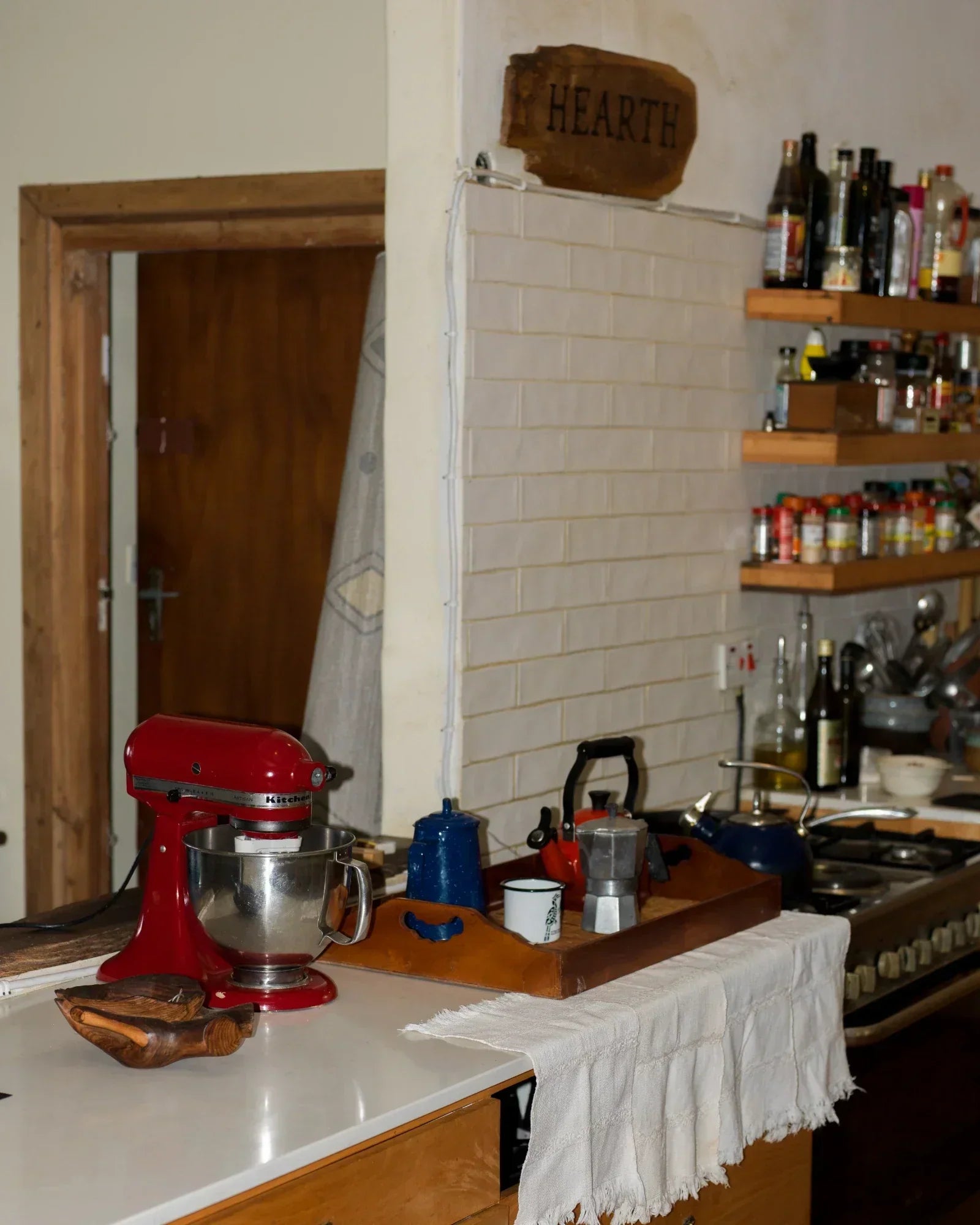
As the sun set in Zimbabwe’s lush Honde Valley, I watched kids push car tyres up and down the street, racing each other through the village. In Africa, most often, less is more. People are used to ...

Los Angeles resists clean outlines, and its coffee culture lives somewhere between softness and grit. Built from migration, precarious work, and long-standing food traditions, it moves at uneven te...

Tinashe Nyamudoka, founder of Kumusha Wines and Kumusha Coffee, is more than a world-class sommelier; he is a symbol of how wine, culture, and competition can challenge global narratives about tast...

When exploring foreign lands, few feelings compare to the triumph of discovering something known only to locals. Realizing these euphoric moments requires a healthy pinch of boldness, however; one ...
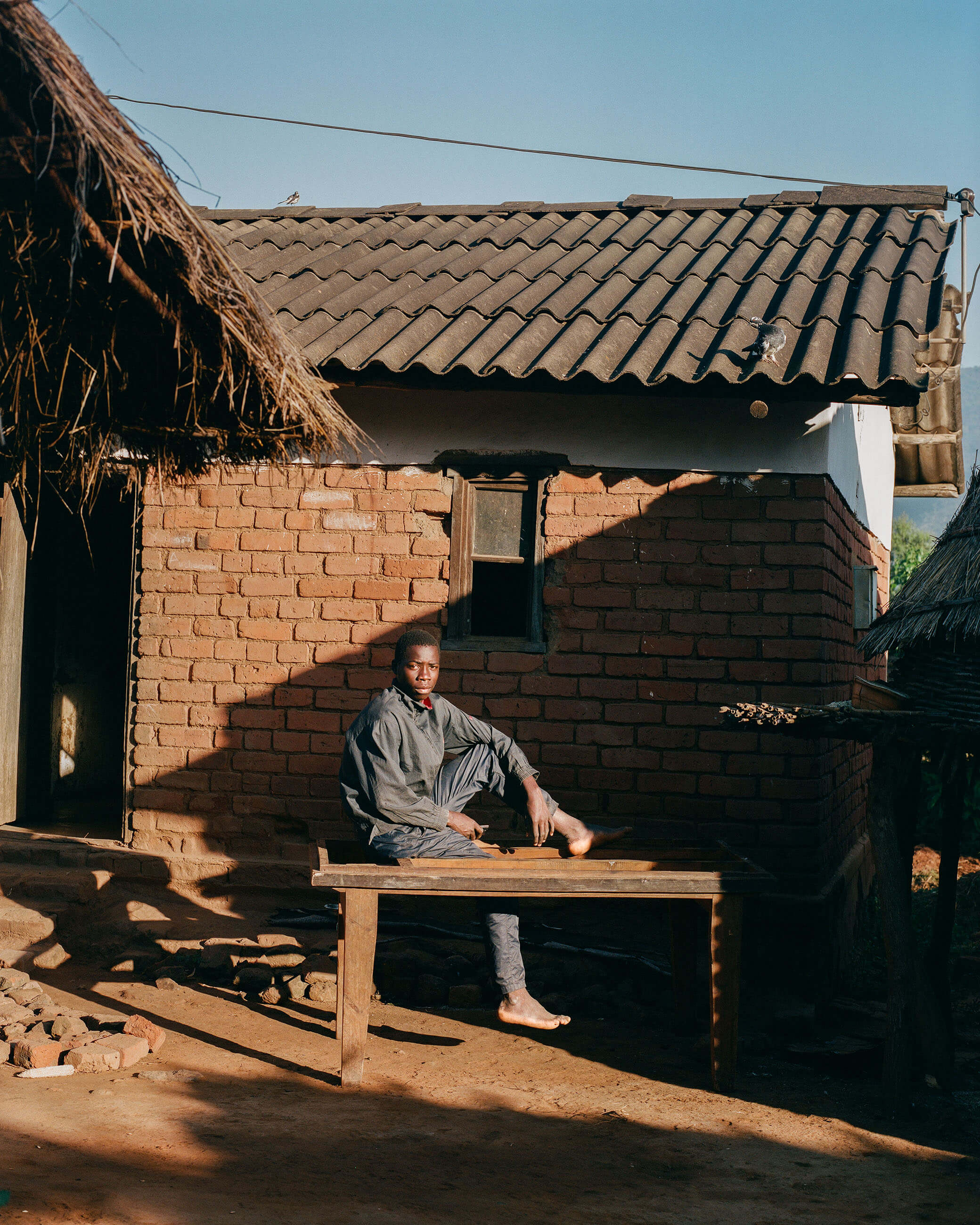
Some coffee origins are still in the process of becoming. Malawi is one of them—a place where potential feels tangible even if not fully realized. Farmers are steadily shaping a future for their co...

Blue-sky ski days to negroni nights, Hakuba is a 24-hour town hidden in the Japanese highlands. From the staunch octogenarian locals fiercely guarding their old traditions, to the young crowd of mu...
In recent years, matcha has become one of the most popular drinks ordered and enjoyed in cafes around the world. But with its growing popularity, several issues have also emerged, ranging from a la...

As coffee grew cheaper in 18th-century Europe, it spread beyond the elite, alarming German rulers. In Prussia, Frederick the Great saw it as a threat to order, economy, and authority. His efforts t...

The taxi from Nice took half an hour, the Tesla’s electric engine providing a faint, meditative whirr of the sort that invites introspection. I spent the journey mulling over questions. Something a...