Los Angeles
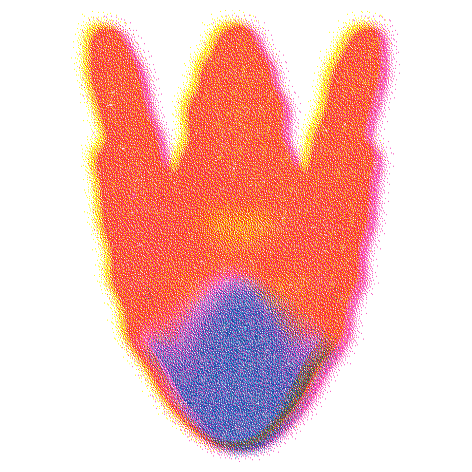
Los Angeles resists clean outlines, and its coffee culture lives somewhere between softness and grit. Built from migration, precarious work, and long-standing food traditions, it moves at uneven tempos: slow conversations set against relentless motion. In a city defined by friction and flow, coffee binds people together through routine, improvisation, and collective presence.

Published in Standart Issue 43
When the editor-in-chief of Standart asked me to write this city profile of Los Angeles, I initially balked. Who was I to write the thing? I’d only just moved here a few months before, after all. I was hardly a local. What if I missed something all the super cool people were in the know about and which I wasn’t tapped in enough yet to hear about? What if this week that cafe I liked was suddenly so passé? For the last many years, I’ve been based between London and São Paulo—if asked to give recommendations and tell the stories of the cities’ coffee scenes I could do that blindfolded, backwards, standing on my head, while weaving a basket underwater—you name your conditions, I’ll do it. Those were my cities, after all. Los Angeles? I could barely get to the supermarket without getting lost.
And yet, I couldn’t get the idea out of my head: wouldn’t this be a great opportunity to start to get to know my new city? Besides, the point of a piece like this is to introduce readers to a city. What would happen if we got acquainted with Los Angeles together? It’s no easy feat; the city itself covers over 500 square miles, the greater urban area nearly 6000, and the scale of the macrometropolis hardly bears thinking about. No, seriously, don’t. Unless you want to have a big anxiety fit in the middle of the night.

Making coffee in LA
Where to begin? How to tell the story of coffee in a city as large, sprawling, vibrant, and full of contrasts as Los Angeles? That’s the thing I discovered in the course of researching this piece: there is no one coffee story here, but there are a multitude of histories and pathways, influences, and any number of ways of doing and living and being in Los Angeles. It’s up to you to pick your path. How to tell the story of a place you’re new to? You simply have to surrender and dive in.
I have to confess that never in a million years did I think I’d move to LA. The idea I had about the city was one of unending sameness, of vocal fry, a whole lot of bleached blondes, and even more plastic surgery. But sometimes you do crazy things in the name of love, and that’s how I up and moved to LA, despite my misgivings about the city’s nature. As I began my wandering across the city, I started to see that there’s so much more; under the veneer of veneers is an astonishing diversity, all of which can be traced through coffee and the different traditions that have woven together to make the contemporary Los Angeles specialty scene. I still can’t say it’s a particularly beautiful city—almost everything is a very peculiar shade of tan sandy-grey and I won’t pretend that the proliferation of classic ‘dingbat’ apartment complexes (in one of which I now reside) has won points in my personal architectural digest—but in terms of people, dynamism, innovation, and creativity, there’s no better place to be.
Michelle Johnson-Strickland, CEO of LA’s Ghost Town Oats, and herself a transplant to the city, calls out the city’s multicultural influence as something special in the LA coffee scene that’s unique compared with elsewhere. As I myself have bemoaned for years (including in the hallowed pages of this very magazine), it sometimes feels like there’s a crushing sameness to the global specialty coffee industry (one cafe decorated in a Scandi-influenced manner really does start to feel like another after a while); the fact that this element seems not to exist in LA made my heart sing. ‘Los Angeles coffee doesn’t centre one narrative,’ she explains. ‘It holds space for all of them at once. There’s a very prominent Black coffee culture here that feels both rooted and expansive. It was a huge plus for me after moving here. Koreatown cafes bring a different kind of intentionality and care to the overall experience (and you can’t forget about the incredible pastries!). Shops born from Chicano culture carry a legacy and resilience you can feel.’
‘Within Mexican and Mexican American communities in Los Angeles, coffee historically functioned as a domestic and street-level beverage closely tied to food, hospitality, and routine social interaction rather than commercial cafe culture.’

So how did we get here? In Los Angeles, coffee culture developed throughout the 20th century within immigrant food institutions rather than stand-alone cafes. There’s no singular starting point for coffee culture here, though it’s undeniable that Jewish delicatessens established during the mid-twentieth century played an important part, becoming all-day social spaces where coffee functioned as an inexpensive, continuously available accompaniment to meals rather than a focal commodity. Unlike the more rapid turnover characteristic of American East Coast delis, Los Angeles delis encouraged extended stays, aligning with the city’s dispersed geography and entertainment-based economy. Coffee in these spaces facilitated conversation, creative labour, and informal professional networking, embedding it within the everyday social life of some of the most important industries in town. This model of lingering over coffee in mixed-use food environments established a precedent for later cafe cultures in Los Angeles, where coffeehouses similarly prioritize space, time, and social interaction alongside high-end, thoughtful culinary offerings.
Within Mexican and Mexican American communities in Los Angeles, coffee historically functioned as a domestic and street-level beverage closely tied to food, hospitality, and routine social interaction rather than commercial cafe culture. Migrants from central and southern Mexico brought traditions such as café de olla, coffee prepared with cinnamon and unrefined cane sugar which circulated primarily through homes, panaderías, mercados, and informal street vendors. Anthropological studies of Mexican foodways emphasize that coffee in this context operated as a culinary complement, served alongside breads and savoury snacks, reinforcing social bonds and notions of care rather than individual consumption. In Los Angeles, these practices persisted across generations, shaping neighbourhood-level coffee habits foregrounding familiarity, kindness, and accessibility. This diasporic model contributed to the city’s broader coffee landscape by normalizing coffee as an embedded element of everyday eating rather than a specialized or elite product.

Asian diasporic communities in Los Angeles further diversified the city’s coffee culture by introducing cafe forms that highlighted social atmosphere, hybridity, and extended occupancy. Vietnamese immigrants, influenced by French colonial coffee traditions, popularized strong brews paired with condensed milk, often served in casual cafes that functioned as community gathering spaces. Korean cafes evolved into late-night social environments where coffee accompanied desserts and light meals, relocating some of the hallmarks of postwar cafe culture in South Korea to the American West Coast and offering an alternate social space for those seeking evening activities outside the usual circuit of bars and nightclubs. Scholars of Asian American urban life note that these cafes operate less as quick-service establishments and more as sites of social visibility, leisure, and aesthetic expression. Within the context of LA, Asian diasporic coffee spaces reinforced the idea of cafes as multifunctional culinary-social institutions, directly shaping contemporary expectations of cafe design, opening hours, and menu integration across the city.
Modern Los Angeles coffee culture isn’t a rupture but an intensification and aestheticization of these long-standing immigrant practices which have shaped the city since its inception. Per Strickland-Johnson, ‘What also makes LA special is that these aren’t isolated pockets. They exist alongside each other, informing each other, and sometimes even overlapping.’ These coffee approaches merge, bump into each other, and create and recreate new modes of making and appreciating coffee. Every city’s coffee culture has been crafted by history, by how and where the city and its inhabitants sit within the world, and by how it came to be this way, but LA wears these diverse identities proudly, not letting them be subsumed in the bland sameness I had foolishly anticipated before my arrival, blinded as I was by my own one-dimensional perspective. LA overwhelms on the surface, unfurling only slowly to those who give time to untangling its many threads, yet who will eventually be amply rewarded for this patience.

Time works in mysterious ways
Another way the coffee scene in LA surprised me was its relationship to time—or rather, its refusal to obey it. Unlike cities where cafes announce themselves through permanence—branded awnings, fixed addresses, the reassuring promise of ‘open daily’—Los Angeles thrives on the provisional. Pop-ups appear in borrowed kitchens, backyards, record stores, parking lots, and friends’ cafes on their day off. Some recur with near-religious devotion; others vanish entirely, leaving behind only a few Instagram posts and the vague sense that you should have gone when you had the chance.
Pop-ups, of course, make sense in a city where space is expensive, distances are vast, and creative labour is often precarious. For food businesses in general, they offer a way to test ideas without committing to the punishing overheads of brick-and-mortar retail. For coffee, they do something even more interesting: they foreground encounter over routine. You don’t stumble into a pop-up by accident. You seek it out. You show up because someone told you, or you saw a post at just the right moment, or you’re trying to prove (to yourself, mostly) that you’re paying attention.
This creates a curious tension. On the one hand, LA coffee has inherited the sit-and-linger ethos of the city’s older food institutions: the deli, the panadería, the cafe as a social meeting room. On the other, pop-ups introduce a lightly exclusionary edge. You have to be in the know. More than once, I found myself hearing about an event the day after it happened, scrolling mournfully through photos of drinks I would never taste. This, too, turned out to be a lesson in how LA works. Keeping up requires a certain aggressiveness: following the right accounts, joining the mailing lists, accepting that you will miss things and that this is part of the deal. This city is, put simply, too much for any one person.
And yet, for all their ephemerality, these pop-ups rarely feel transactional. They are slow by design. People talk. They hang around. Coffee becomes the excuse rather than the point, a familiar pattern by now. In a city defined by movement, by driving, by commuting, by the constant negotiation of distance, these temporary spaces paradoxically offer some of the most grounded experiences of being together.


Cultivating futures
Thinking about the future of coffee in Los Angeles inevitably means thinking about what lies beyond the city itself. One of the most striking experiences I had while working on this piece was getting out of town to visit a coffee farm run by California Coffee Collective. Exiting LA, the geography shifts slowly: freeways give way to hills, the urban sprawl loosens its grip, concrete no longer has a complete stranglehold on the environment, and suddenly the abstraction of coffee ‘origin’ feels much closer to home. In a state grappling acutely with climate change, water scarcity, and political polarization, the presence of coffee agriculture on California soil raises difficult and necessary questions about social and environmental sustainability, labour, and what regional coffee futures might realistically look like. It holds a mirror to the discourse happening within the city, where these pressures also influence the consumer-side coffee scene.
It’s impossible to write about futures without acknowledging the political moment in which this piece is being written, as ICE raids continue to unfold across the country, and heavily in this city. These are anxious times for the industry, though it’s by no means specific to coffee. Immigration enforcement crackdowns, labour rights, and climate policy are not abstract concerns here, but daily realities shaping who gets to open a cafe, who gets to stay, and who bears the risks of creative and agricultural work. LA has always been a city shaped by migration and reinvention, and the coffee culture reflects this ongoing negotiation between possibility and precarity.
‘Unlike cities where cafes announce themselves through permanence — branded awnings, fixed addresses, the reassuring promise of ‘open daily’— Los Angeles thrives on the provisional.’

I’ll admit that writing this article has made me nervous. I want to get it right. I want to do justice to a city that has welcomed me, even as I’m still finding my footing. But the longer I’ve spent here, the clearer it’s become that there is no definitive LA coffee story to tell. It’s obvious that, in thinking LA was all blonde fashion divas, I was the one with the simplistic, reductionist stereotype, missing the incredible diversity of the city—about that, all I can say is that I’m sorry, although I’m starting to see the light. There are too many neighbourhoods, too many histories, too many ways of being in LA. This article is just one path through it—partial, biased, and inevitably incomplete. You’ll have to come and find your own path, drink your own coffees along the way.
As I write this, I’ve just celebrated six months of living in Los Angeles. I’m sitting at my local coffee shop, Primo Passo Coffee Roasters in Santa Monica, where the baristas now know my name and my order. These have been strange and uncertain times, politically turbulent and certainly bizarre for a newcomer to the scene. And yet, in these quotidian, repeated rituals of showing up, being recognized, lingering a little longer than necessary, there’s a sense of community that feels deeply sustaining—a needed comfort for a new arrival. ‘The city’s coffee scene reflects the people who’ve built lives here; communities that have always been here, even when they weren’t seen,’ Johnson-Strickland says. ‘The scene doesn’t ask anyone to code-switch or shrink. You can show up as yourself, and there’s probably a coffee shop (or five) that already gets it.’
Coffee & Sights


1. Mandarin Coffee Stand
Set in a European-style shopping arcade in Pasadena, Mandarin serves coffees from a variety of global origins but specializes in showcasing coffees grown in China. It’s a small shopfront with a few tables in the arcade passageway, offering a convivial atmosphere with a range of seasonal signature drinks. Check out their newly-opened second location, Mandarin 2, if you want more seating options and to skip the occasionally hefty queue at the arcade location.
2. Flō Coffee Bar
It might be a garage. It might be an art gallery. It’s definitely Flō Coffee Bar and it definitely serves damned good coffee. Set just off the end of lively commercial avenue Abbot Kinney and only a few blocks to Venice Beach, expect finely tuned drinks from the friendly baristas and easy conversation with the regulars. The signature drinks with their unique and bold flavour combinations like cardamom and blood orange are worth a try, even if you’re usually a coffee purist. Afterwards, take a short walk to Hooked Venice inside the restaurant Dudley Market, where you can have another coffee and then a glass of natural wine before hitting the beach.
3. Loquat
Loquat has two locations (Cypress Park and Silverlake) serving up incredible vibes alongside incredible brews. While sister company Kumquat (locations in DTLA and Highland Park) focuses on coffees from top-tier roasters from around the world, Loquat is their private label, serving coffees roasted in-house. Named after an edible fruit tree native to China, which has proliferated across California and marks a distinct part of the Los Angeles ecosystem (otherwise frequently lacking in foliage). Make your way also to the team’s newly opened tasting room, Quat.
4. Endorffeine
A true temple to the craft of coffee. Located in an unassuming mall in Chinatown, Endorffeine has been serving the LA community with precision and grace for over a decade. No matter the harsh Southern California sun outside, inside the lighting is low, as if it were twilight, and the interior design straddles the border between Scandi simplicity and a Japanese izakaya. Although they take coffee seriously, it’s still inviting and welcoming—just keep your conversations hushed, out of respect for the pursuit of perfect coffee.


5. Maru
A bright, minimalist anchor in the Arts District coffee circuit. Maru sits among converted warehouses and design studios, making it an easy stop between gallery visits. Known for its excellent roasting program, Maru delivers clean, balanced coffees that appeal equally to seasoned specialty devotees and casual cappuccino drinkers. The space is airy and calm, with just enough seating to encourage lingering without turning it into a camp-out. Order a pour-over if you want to see what they do best, or grab something iced before continuing your exploration of the neighbourhood.
6. Café Santo
A small coffee window with a big cultural footprint. Café Santo pairs thoughtfully sourced specialty coffee with a deep commitment to Oaxacan foodways, serving traditional snacks and drinks alongside house-made Oaxacan chocolate. The menu leans into regional flavours that are rich, comforting, and grounded in heritage without losing sight of care in the coffee itself. Though the ordering happens at the window, there’s plenty of seating that encourages you to linger, chat, and treat it as a true neighbourhood hangout rather than a quick grab-and-go. A sister space to the nearby cultural and events hub Cuarto Central, Café Santo feels like an extension of a broader creative ecosystem celebrating community, tradition, and good taste in equal measure.
7. California Coffee Collective at Rancho Filoso
One of the closest coffee farms located to Los Angeles, Rancho Filoso is about a 90-minute drive outside LA (well, depending on traffic conditions, that is!) in the farming community of Santa Paula. Knowledgeable owner Lisa Soudry organizes and leads tours throughout the growing and harvest season, and it’s well worth a visit to learn more about the region’s rich citrus growing history, the current realities of agricultural work in Southern California, and what possibilities exist for local agriculture and coffee dreams in the future as climate change reworks our environment.
8. A Good Used Book
A beautifully curated used bookstore that feels more like a community living room than a retail space. The shelves are thoughtfully stocked—no overwhelmingly perilous stacks here—and the selection rewards slow browsing, whether you’re hunting for contemporary fiction, art and architecture books, or an unexpected out-of-print gem. What really sets A Good Used Book apart is its lively calendar of events, often spilling out onto the sidewalk with food stalls, small makers, and local collaborations. Come for the books, stay for the atmosphere, and leave with a treasure you didn’t know you were looking for.


9. Pettitgrain Boulangerie
Look, just go early and get one of the cardamom scrolls before they sell out and then thank me later. Enough said.
10. Center For Land Use Interpretation
It’s the largest collection of antique printing presses in the United States, and we’re a print-only publication. Of course we’re nuts about this place! If you’ve seen a printing press in any Hollywood production, there’s a good chance it’s come from the museum’s collection. It hosts hands-on workshops and educational events throughout the year, though it only opens to the public without prior reservations on Saturdays.
11. International Printing Museum
A fascinating counterpoint to its famously enigmatic (AKA weird as hell) next-door neighbour, the Museum of Jurassic Technology. The Center for Land Use Interpretation is dedicated to examining how land in the United States is used, managed, and transformed, from a philosophical and phenomenological standpoint. The space itself is modest and unassuming, but the ideas inside are expansive and cover topics from infrastructure and resource extraction to surveillance, borders, and the invisible systems shaping everyday landscapes. Visiting CLUI feels less like a traditional museum stop and more like being let in on a carefully assembled archive of how the world actually works.
Keep reading
Become a reader—from $109/year
A membership helps us stay independent, create a whole range of stories across our different platforms, and continue to invest in creative community we work with.
Join Standart Already a reader? Log-in here.Explore more stories

Rachel Apple is a Cup of Excellence Head Judge, photographer, and co-founder of Raise the Bar, a community and education platform for specialty coffee professionals. She loves bin diving for vinyl,...
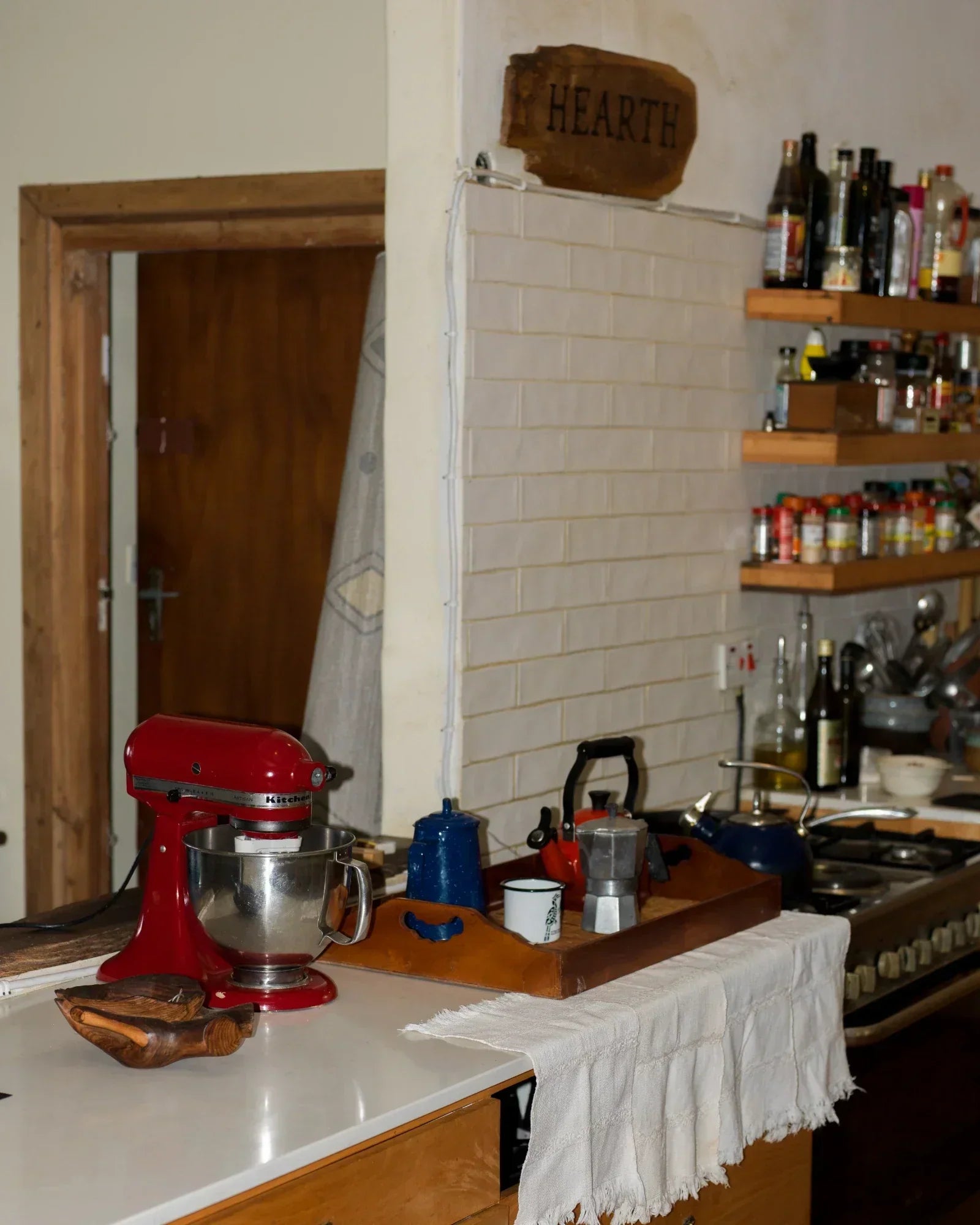
As the sun set in Zimbabwe’s lush Honde Valley, I watched kids push car tyres up and down the street, racing each other through the village. In Africa, most often, less is more. People are used to ...

Los Angeles resists clean outlines, and its coffee culture lives somewhere between softness and grit. Built from migration, precarious work, and long-standing food traditions, it moves at uneven te...
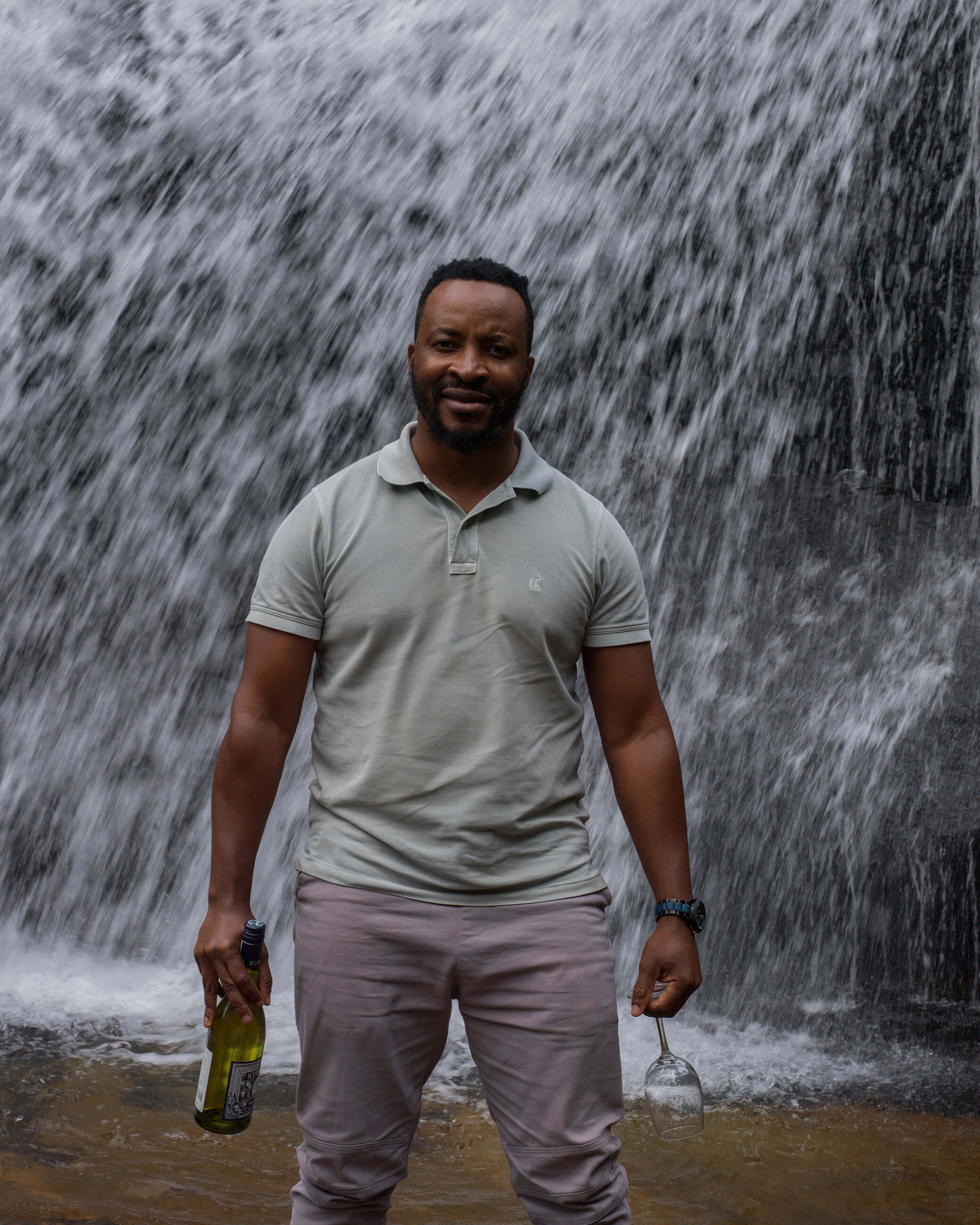
Tinashe Nyamudoka, founder of Kumusha Wines and Kumusha Coffee, is more than a world-class sommelier; he is a symbol of how wine, culture, and competition can challenge global narratives about tast...

When exploring foreign lands, few feelings compare to the triumph of discovering something known only to locals. Realizing these euphoric moments requires a healthy pinch of boldness, however; one ...
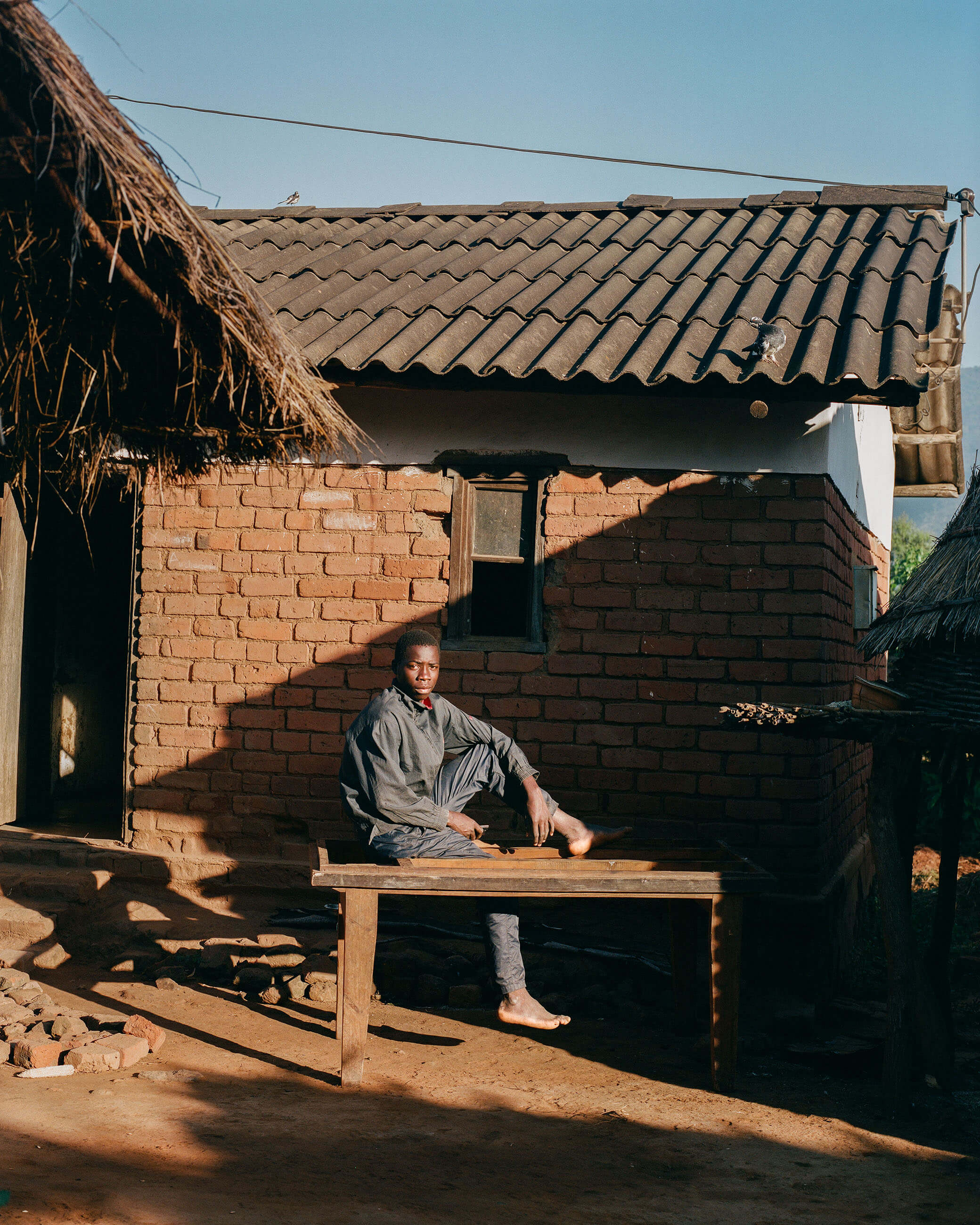
Some coffee origins are still in the process of becoming. Malawi is one of them—a place where potential feels tangible even if not fully realized. Farmers are steadily shaping a future for their co...

Blue-sky ski days to negroni nights, Hakuba is a 24-hour town hidden in the Japanese highlands. From the staunch octogenarian locals fiercely guarding their old traditions, to the young crowd of mu...
In recent years, matcha has become one of the most popular drinks ordered and enjoyed in cafes around the world. But with its growing popularity, several issues have also emerged, ranging from a la...

As coffee grew cheaper in 18th-century Europe, it spread beyond the elite, alarming German rulers. In Prussia, Frederick the Great saw it as a threat to order, economy, and authority. His efforts t...

The taxi from Nice took half an hour, the Tesla’s electric engine providing a faint, meditative whirr of the sort that invites introspection. I spent the journey mulling over questions. Something a...