Gissell Garrido
On a recent trip to Panama, we met Gissell Garrido, a third-generation coffee producer in Boquete, Chiriquí, a region known for producing the world’s most expensive coffees. Gissell and her family grow gesha and several other varieties, including their unique Mokkita. We spoke to Gissell about the history of roses on the farm, balancing family life with the business, her views on what is essential in life, and her thoughts on the reputation of Panamanian coffee amid recent record auction prices.

Since we met, I’ve nursed a curiosity about how a successful business like yours got started. Can you give us a brief history of how your family came to be farming coffee in Boquete?
My grandfather emigrated from Spain to Panama after the Spanish Civil War, seeking a better life and greater opportunities, like many others at the time. After crossing Venezuela and Colombia, he arrived in Panama and immediately fell in love with it. He found a community of Spanish migrants who became like family, and he decided to put down roots. Although my grandfather eventually returned to Spain, my father, Teodoro Garrido, who was just 14 when he arrived, chose to stay on to grow those roots—literally. The family business officially began in 1958 with the planting of roses, which later paved the way for coffee. My father always loved flowers. He admired them for their beauty and delicacy, which is perhaps why he chose to plant roses—they need a lot of care and attention.
Isn’t that a bit like gesha—difficult to grow, prized, and beautiful? Are roses the Gesha of flowers? Did growing roses influence his approach to growing coffee?
That’s a beautiful comparison! However, I might say that roses are more like Arabica, with gesha being akin to the classic red rose that is so prized. Roses are very susceptible to disease and are generally challenging to work with. You have to grow them in rows so you can get close enough to prune them. In fact, my father’s experience with growing roses in this way may have inspired him to grow coffee in rows. Of course, this practice is now common, but it was quite visionary at the time!
How does Mokkita, the unique species you’ve discovered, compare to gesha?
We’re still unsure whether it’s a mutation of gesha. Some preliminary studies suggest that it might be genetically related to Ethiopian coffees and could have some connection with gesha. However, Mokkita is quite distinct; compared to gesha, the tree is smaller yet more robust, with more leaves. It’s productive but difficult to harvest because it produces such tiny beans.

How did you come to discover Mokkita in the first place?
My father would often take us around the farm, teaching us to be observant of small differences, encouraging us to taste cherries and explore. One day, we found a tree unlike any we’d seen before. We picked some cherries from it and sent them to the lab for testing. It took 20 years of development before we entered it into competitions, where it was revolutionary, being the first varietal to score over 90 points. It has incredible floral flavour notes—very orangey and citrusy, with a deep body. After tasting it, one prominent green buyer compared it with Mokka from Yemen, so we named it Mokkita—little Mokka—in his honour.
Was it a difficult decision to continue the family business, rather than choosing another career path?
The decision wasn’t difficult because I had already been involved for quite a few years, and though I lived in the city, my father and I communicated so often about the farm by phone, that he was like my eyes. Working in the coffee business allows my father to live on through what I do. I feel he is with me because I’m doing what he loved. Plus, I’m not alone in this; my sister Liliana and mother also share the dream of keeping our father’s legacy alive.

I’m sure he’d feel honoured to see how you’ve kept things going and continue to develop the business. It really seems like a big operation! Is it true that you have four farms in total?
Yes, it’s a big business, but we have a good team. About 30–40 people work across the farms, and during harvest, we hire around 400 additional workers, primarily for picking. Margarita was our first farm, spanning 24 hectares and named in honour of my grandmother. La Cantara is 26 hectares; my cousin Gregorio helped build that one from scratch, and he is now the farm manager. Volcancito is the largest at 44 hectares, and Los Rosales is the smallest at only two hectares but at the highest altitude, around 1,700m (5,600ft). We use it to test how Mokkita grows at higher altitudes and for growing roses, as the name suggests.
On top of that, you also own a flower shop and a bakery in David, the capital of Chiriquí.
Yes! The bakery has a small shop in the front and a larger production space in the back. If you visit, be sure to try the bread called ’Micha’. It’s my favourite—a slightly sweet burger bun that is absolutely delicious. The flower shop, El Clavel, is one of the oldest in Chiriquí, opened by my father in 1969. It’s a beautiful, peaceful space.
‘[Coffee]’s not just a drink; it’s an experience; it’s about the memories associated with it. Flowers provide beauty; [...] they bring nature into our homes and onto our tables.’
With so many different parts of the business, do you have an ethos that ties everything together?
Yes, and it originates from the bakery. My father emphasized the importance of natural bread that could be eaten without preservatives, jam, or butter. So, it’s crucial for us that what we produce is of high quality and free from harmful substances, whether it be bread, roses, or coffee. We’re also trying to be more organic, making our own compost using cascara and manure, recycling waste back into the farm.
Would you say that bread, coffee, and roses are equally important?
Bread is important for health; it’s filling and nutritious. But coffee? It offers enjoyment. It’s not just a drink; it’s an experience; it’s about the memories associated with it. It’s also something to share, bringing people together. Flowers provide beauty; life would be less vibrant if you were eating bread in a white room without windows. They bring nature into our homes and onto our tables. Flowers are a joyful gift to share with those we care about.

So, bread is substance, coffee is memory, and flowers are joy?
I think that’s true. If you could just take a pill for all your nutrition, life wouldn’t be as enjoyable.
Do you think Panama’s prestigious reputation for producing amazing coffee helps you as a producer in terms of pricing and selling, or do the coffees that sell at auction for thousands or tens of thousands of dollars per pound create unrealistic expectations?
While it’s beautiful to see Panama recognized as one of the most expensive coffees in the world, that reality is a fantasy for most farmers. The coffee that recently sold for $30,000/lb was magical, but it sets exceedingly high expectations that no one could have predicted. My concern is for other beautiful coffees from Panama. If one is valued so highly, how can others be valued so little? The price differences are too extreme, and I worry it discourages people from reaching out to us, thinking all our coffee is expensive and then being afraid to ask.
What other challenges do you face as a producer?
I found it challenging when I started handling sales myself as a woman in this coffee world. People often don’t take me seriously at first because I’m young, assuming I lack knowledge. Without a male figure backing me, they think I don’t know what I’m doing or that I’m not a leader. I had a client from Thailand ask, ‘Don’t you have a brother? Why didn’t he handle the coffee business?’ I responded that my father chose the right person based on skills, not gender. Some places are quite patriarchal. I also find it frustrating that some people come to talk about coffee but instead hit on me, which is inappropriate. I’m married, but even if I weren’t, it’s unprofessional and a form of disrespect that male producers likely don’t face.
‘My concern is for other beautiful coffees from Panama. If one is valued so highly, how can others be valued so little?’
How do you handle those situations?
I try to be polite because I value every client, but I maintain distance while managing these interactions. I adopt a soft approach and try to be patient. I’ve been fortunate not to have to tell anyone that I couldn’t work with them anymore, but it’s not something I enjoy or want to invest my energy in.
Do you find this sort of thing mainly happens at trade shows and coffee festivals?
It happens there, but it occurs everywhere if you’re a woman. It doesn’t matter if you’re wearing a suit, a dress, or a T-shirt; some men just feel entitled to treat women this way.


How do you balance family life with managing the farms?
It’s difficult, but during the week, my kids are at school from 7 a.m. to 5:30 p.m. I usually go to the farm from Monday or Tuesday through Thursday or Friday, then return home on weekends and holidays. The most important thing is prioritizing special moments—family days and kids’ birthdays. I schedule those events in my calendar first and arrange work around them. They are my priority.
And that sounds like the right way round! But to return to coffee, why focus on different varieties other than gesha? I thought many producers in Boquete take pride in their gesha.
I love gesha, and we do grow some, but I’m passionate about exploring different varieties on my farm. I enjoy diverse flavours and discovering contrasts. Coffee is such an experience, and with good processes and different varietals, you find beauty—the right coffee for morning, afternoon, or one that pairs well with food.
Do you analyse flowers similarly to coffee?
Definitely, especially in terms of discovery—smelling and observing are crucial. For roses, we need varieties with thick stems for optimal nutrition and cutting. You must cut them in a specific way so the next flower can grow, much like coffee; when cherries are picked, a little stem is left so it can produce beans again next year.
Flowers and coffee are both luxuries that connect us to the world, our roots, and to each other. We all share one huge tree connected to the world. That’s my perspective. What a hippie!

Keep reading
Become a reader—from $60/year
A membership helps us stay independent, create a whole range of stories across our different platforms, and continue to invest in creative community we work with.
Join Standart Already a reader? Log-in here.
Explore more stories

Rachel Apple is a Cup of Excellence Head Judge, photographer, and co-founder of Raise the Bar, a community and education platform for specialty coffee professionals. She loves bin diving for vinyl,...
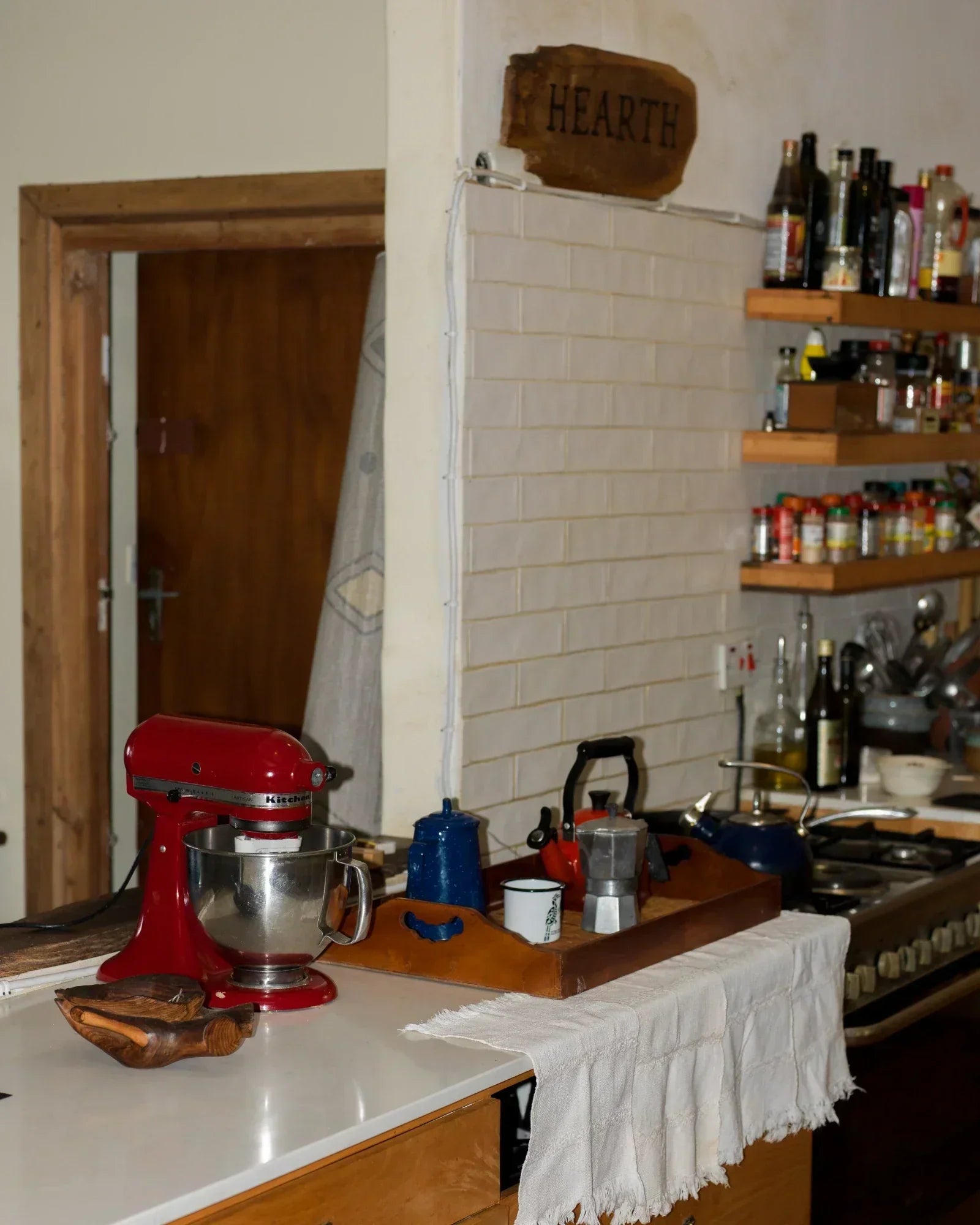
As the sun set in Zimbabwe’s lush Honde Valley, I watched kids push car tyres up and down the street, racing each other through the village. In Africa, most often, less is more. People are used to ...

Los Angeles resists clean outlines, and its coffee culture lives somewhere between softness and grit. Built from migration, precarious work, and long-standing food traditions, it moves at uneven te...
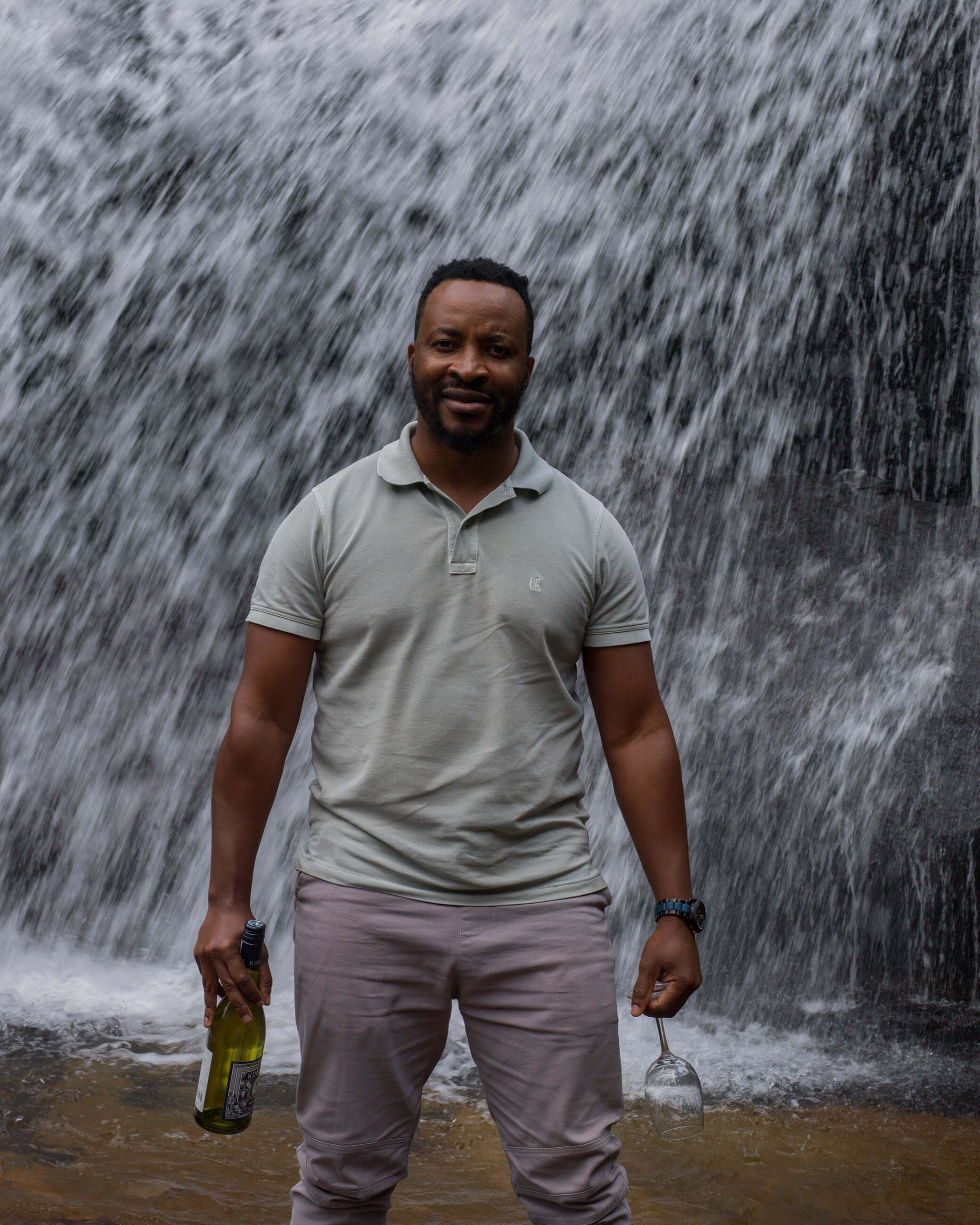
Tinashe Nyamudoka, founder of Kumusha Wines and Kumusha Coffee, is more than a world-class sommelier; he is a symbol of how wine, culture, and competition can challenge global narratives about tast...

When exploring foreign lands, few feelings compare to the triumph of discovering something known only to locals. Realizing these euphoric moments requires a healthy pinch of boldness, however; one ...
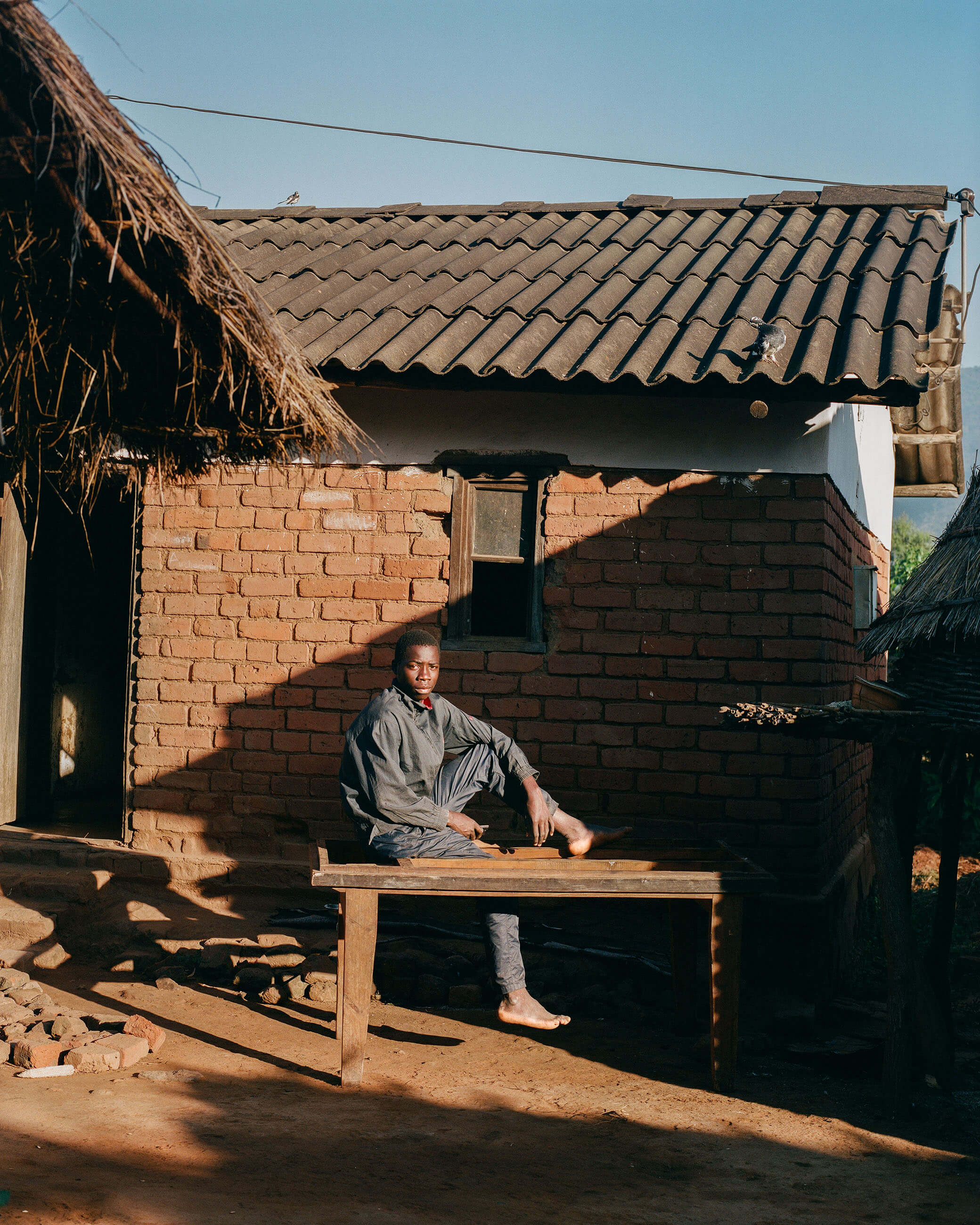
Some coffee origins are still in the process of becoming. Malawi is one of them—a place where potential feels tangible even if not fully realized. Farmers are steadily shaping a future for their co...

Blue-sky ski days to negroni nights, Hakuba is a 24-hour town hidden in the Japanese highlands. From the staunch octogenarian locals fiercely guarding their old traditions, to the young crowd of mu...

In recent years, matcha has become one of the most popular drinks ordered and enjoyed in cafes around the world. But with its growing popularity, several issues have also emerged, ranging from a la...

As coffee grew cheaper in 18th-century Europe, it spread beyond the elite, alarming German rulers. In Prussia, Frederick the Great saw it as a threat to order, economy, and authority. His efforts t...

Valtteri Bottas is a known quantity at Standart, being as he is a past interviewee and co-owner of Finnish roastery Kahiwa. He moves quickly, and not only when he’s piloting an earthbound rocket ar...