Venice

Slowly sinking under the weight of more beauty than can be consumed locally, Venice is less a museum than a gorgeous, waterlogged maze that refuses to let you leave. In this ancient, floating hamlet, coffee isn’t a trendy craft but a sharp, bitter necessity to stave off the worst of a heavy hangover. Forget fancy lattes; hereabouts there pulsates a gritty, espresso-fuelled reality behind shimmering stone, where the clock stalls just long enough for one more drink.
Published in Standart Issue 42
You too have probably stayed longer in Venice than you ought to have done. The scene is not a novelty: a late dinner predicated on several rounds of martinis, people sitting around a table in postures eloquent of the weight of their souls, one of them yieldingly pushing back their departure time. The flight feels imminent (tomorrow, this side of midday), and a fever of deliberation grips the prospective traveller. ‘Maybe I’ll just take the flight,’ they say, but statistics presume otherwise.

And so too does the Lagoon, whose misty tendrils have gripped, enticed, and enthralled for centuries the multitudes who pass through this amphibious city—or at least those with an eye for beauty. One such beauty worshipper, Joseph Brodsky, who was enthralled by Venice all his life, captures something of the littoral charm and heartbreaking allure of the laguna in his essay Watermark, when he says
A tear can be shed in this place on several occasions. Assuming that beauty is the distribution of light in the fashion most congenial to one’s retina, a tear is an acknowledgment of the retina’s, as well as the tear’s, failure to retain beauty.
‘... And anyway,’ says the deliberator, now all romance and complaisance, ‘there will be another flight soon enough.’
Indeed. Venice is, after all, a village on which innumerable international flight paths converge multiple times daily. If you’re feeling lazy and willing to spare some time, you can take a train to nearby Treviso and catch a last-minute, cheap flight for less than 30 euros to most European cities, and therefore indulge in another carafe of the house red with dinner. What’s that you say? Another bottle?…
As for you, your flight left days ago. You’re just now starting to know your way: the near-adolescent men at the corner bar recognize you; your currency in the local tongue is, if not exactly burgeoning, expanding beyond the word for espresso (‘espresso’) and you no longer have to aid your pronunciation by leaning over the counter and pointing at the brand of cigarettes you wish to buy; in your preferred supermarket, you know which Prosecco offers good value for money (Coop-branded Prosecco DOC Treviso Extra Dry—5.99 euros). More importantly, between gallery openings, various Biennale-related events, and aperitivo at the student bars, you’ve started to make friends. You’ve been to dinners and parties and engaged in day drinking far more than you’d allow yourself to in your real, continental life. You’ve realized that in Venice, it’s hard not to drink. And consequently, in Venice, it takes willpower and strategy not to wake up with a hangover. But, as we know, willpower is no match for the Lagoon and its littoral charms.
‘Perhaps it is because Venetians see coffee as purely practical, while visitors come to Venice for other reasons; I do, again and again, whenever I feel my optical nerve deserves to bathe a while in strange scintillations.’
So you’ve had to make it a habit: instead of seeking out the coffee shop with Wi-Fi and comfortable window seating where you can answer your first emails and daydream about your weekend plans while sipping a perfectly tempered flat white, you hurl yourself through the doors of the first acceptable cafe, the bone-wet cold piercing through the multiple, seemingly useless layers of clothing you managed to pour yourself into, your mouth dry, your memory blurry. You and your eardrums and the space behind your eyes stand amid the panting heat and the frankly unreasonably loud conversations for this hour of the day, wondering what the hell is happening while fighting at the banco (bar) for your first tiny, tight espresso, which will hopefully restore your swollen head to a state somewhat more amenable to the dictates of work responsibilities and general civility.
Back in my big city life, I was subjected to almost invariably good specialty coffee: impossibly cheerful Australians crafting ridiculous swirls and foams out of milk on dark, freezing mornings in an ugly, uncharming city; warm, quiet spaces to drink it black and think. Unless you precisely aim to, it is almost impossible to get bad coffee in Berlin. Every 50 to 80 metres, a new coffee shop welcomes you, complete with beans from here and there, seventeen types of milk, iced or sparkling options, beverages manufactured in cans, KPM porcelain, designer pastries, and everything cool, complicated, and overpriced. Imagine: my apartment was situated right above The Barn roastery in Voltastrasse, with the fragrant threads of freshly roasted beans wafting down the street from morning to midday, as if an army of manic housewives were neurotically burning chocolate cake after chocolate cake in fits of hysteria.

When sojourning in Venice, however, operations commence at the bar, preferably in the morning and while running some sort of debatably important errand. Said bar, cafe, caffé, pasticceria, or torrefazione (coffee roastery), always looks more or less the same: warm wooden panels, a few old men (ni tout à fait le même, ni tout à fait un autre) scattered around the room, a bucolic chequered floor, at least one piece of antique furniture, a small selection of croissant-approximating pastries that would make the French incontinent with rage, sandwiches, a dog in a jacket, sturdy chairs, and a lot of noise. No one is trying to shove a ‘lavender matcha latte’ in your face at the Venetian cafe bar. I suspect that if you were to open your dirty little mouth to utter those words, you’d be promptly ejected and banned, met with the dead stare and shouts of a congregation of residents, and perhaps even thrown into a canal if you insisted.
Since you haven’t been there for very long yet, you might argue that Venice isn’t a real city, overflowing as it is with mass tourism and taking on, at the weekend, the atmosphere of an amusement park. But if you venture from the most beaten paths (where the trachyte paving stones sag in ruts) and wander towards the more residential neighbourhoods, you’ll find that it is, in fact, a village much like yours. Perhaps even more real than the centre of a city like Berlin, where the daily lives of the typical inhabitants revolve around digital work, cyber-projects that nobody can explain, and other freelance networking nonsense. In Venice, noble, visible trade occurs at every corner—not only that in service of tourists, but also that meeting the essential needs of the residents. While we might rush through shopping malls and large supermarkets in the city, here you see independent businesses displaying fresh produce, temporary fishmongers setting up shop in a campo for a few hours, small bakeries showcasing pyramids of candied fruit, wine in plastic bottles, and lace-trimmed underwear of the sort your grandmother might wear. As I say, essentials.


In a smaller city, one’s relationship to pleasure is different. While coffee in Berlin might come with a certain aesthetic and social cachet, in Venice, it is rooted primarily in practicality and community: we must wake up, know what is happening today, and to whom, and why, and what that old witch has done again, and who hit Riccardo with a wine bottle and for what reason last Sunday. In short, coffee aids in what makes us human, beyond and beneath our capacity for work. It also aids in improving our comprehension of Italian, rumour by rumour, gossip by gossip.
You would think that due to its past as the main merchant city of Europe and the entry point for all coffee beans back in the day, Venice would still boast an abundant tradition of coffee roasting. Not so. Aside from one still-active torrefazione, there is very little specialty coffee in the Serenissima. If supplied locally, the city’s cafes mostly source their beans from three companies: Bottega Dersut, Caffé del Doge, and Girani, the latter being the last standing roaster on the island. At Majer, a local bakery and coffee chain, you can choose from a few different types of beans from South America and Africa. At their eight locations, advertised as coffee bars, they offer two blends to go: the Cremoso and the 100% Arabico.

Why is it that in Venice, a city with innumerable passages—a sort of floating palace of the unnecessary—specialty coffee shops don’t seem to stick? That’s not to say attempts haven’t been made: I remember visiting Torrefazione Cannaregio on the Fondamenta della Misericordia with my friend and artist Lorenzo Vitturi, a true Venetian whose Peruvian heritage may have influenced his taste for finer coffee. The shop survived for, at most, three years; its walls lined with long columns of beans and modern furniture were soon replaced by yet another Bacaro, a Venetian bar similar to those found on every other corner of every other calle. Perhaps it is because Venetians see coffee as purely practical, while visitors come to Venice for other reasons; I do, again and again, whenever I feel my optical nerve deserves to bathe a while in strange scintillations. I have returned just enough times now that friends are emboldened to ask me why. Sick and tired of struggling to describe the ineffable, I resolved to learn by heart a passage from Watermark, to deploy on such occasions. When asked by his Editors why he visited Venice in winter, Brodsky
… thought of telling them about acqua alta; about the various shades of gray in the window as one sits for breakfast in one’s hotel, enveloped by silence and the mealy morning pall of newlyweds’ faces; about pigeons accentuating every curve and cornice of the local Baroque in their dormant affinity for architecture; about a lonely monument to Francesco Querini and his two huskies carved out of Istrian stone, similar, I think, in its hue, to what he saw last, dying, on his ill-fated journey to the North Pole, now listening to the Giardini’s rustle of evergreens in the company of Wagner and Carducci; about a brave sparrow perching on the bobbing blade of a gondola against the backdrop of a sirocco-roiled damp infinity. No, I thought, looking at their effete but eager faces; no, they won’t do. ‘Well,’ I said, ‘it’s like Greta Garbo swimming.’
While indulging in some overpriced and frankly disappointing juice in the everyday might lighten the burden of, well, the everyday, here, it is the city itself that is the indulgence. We fly overhead of this fish-shaped dream place with streets bejewelled with facades of astonishing, eye-watering beauty; what sort of philistine would roam them so prosaically in search of a particular type of coffee? You stop that nonsense right now! For life, in this city, exists so palpably elsewhere.


Coffee & Sights


1. Bauer Hotel
It is impossible to do so now, as the Bauer has been sold, torn to pieces, and was until recently being renovated without so much as a modicum of taste before some merciful piece of litigation put an end to it, but, by way of homage, here is what you should have done while it still stood resplendent: You arrive in Venice by plane, hail a water taxi (‘Aside from having hundred-year-old Delamain licked off your nipples in the Coco Chanel suite at the Paris Ritz, there’s nothing like hailing a water taxi to make you feel rich’, goes a passage I have saved on my phone from a book whose title I cannot remember, but ought to), have yourself deposited at the Bauer’s side entrance, rent room number nine which is on the top floor, pick up the telephone and dial reception (11), order an espresso (the beans are Girani), undress down to your underwear, and stand half-naked in the wind on that grand balcony overlooking the Punta Della Dogana, taking small sips of your coffee while devouring the view, one hand behind your back in the Napoleonic fashion. Congratulations: you are in Venice.
2. Caffé Girani
The only roaster left on the island, with its cream and green 1960s distribution system complete with little compartments from which coffee beans are fetched with small shovels, Girani has been roasting and selling beans since 1928. It has served as the official supplier for some of the city’s most luxurious joints, such as the Bauer Hotel (RIP) and the American Bar in San Marco (RIP). With limited opening hours (8 a.m. to 12 p.m. on weekdays), it takes an early-morning effort to visit this family-owned business, but it pays off in the form of excellent advice, a lesson on roasting, and coffee to take home. I have it on my own authority (which should be plenty) and that of numerous online reviews that the place is utterly enchanting—except to those who mistakenly confuse Girani’s location with that of its neighbour (Tourist trap! Expensive! Scam!).
3. Rizzardini
Rizzardini has been the greatest place in the world since 1742. It has it all: ancient wooden shelves with retractable glass panels, bottle coolers integrated into stainless steel counters, the best pastries in town, two ladies who speak solely and simultaneously to each other, Rabarbaro Zucca for aperitivo, great coffee, only one closing day a week (Tuesday), and about one square metre of marble flooring to accommodate a crowd of unbothered locals and/or terrified tourists. You must choose a strategic time to visit, during lunch hour, perhaps, or in the middle of the afternoon, or else after 6:30 p.m., once the crowds of tourists have begun their hike back to the train station.
4. Tonolo
In my post-divorce, loaded-wallet epoch, I had a winter ritual: I would wake up around 11 with a hangover, walk to the market, and buy the most ridiculous sea creatures they had to cook for lunch with the brooding Icelandic man I lived with. After lunch, I’d follow up with some stretching and a nap. By mid-afternoon, around 3 p.m., say, I’d stroll to Tonolo, puffy from oversleeping, and enjoy a standing lungo with a chocolate-filled chou pastry, blanketed in a layer of hardened dark chocolate. Everything is served in or on exquisitely lightweight blue and white Chinese porcelain. A warning: the customers at Tonolo are not here for a haircut, so you must stand your ground with iron determination and not let yourself be intimidated.


5. Bar Da Fiore
The actual physical existence of this place now escapes me, and no wonder: after a walk yesterday, I discovered that Da Fiore has been replaced by an insipid, green-walled sandwich bar. The city really is sinking. Was Da Fiore a dream? I can still see it through the mists of my memory: Under a gigantic picture of Audrey Hepburn, a group of men in their 70s is shouting at each other. The food is edible. The coffee is too hot. The room is a little cold. There is nothing to be trusted in the opening hours indicated on the door. An old dog stinks. Perhaps I can smoke inside.
Since Da Fiore is long lost, my advice to you is to walk to its remnants, curse in rage at the door of its replacement, turn left and enter Stuzzico, the nearest bar, which does a respectable job of being local and has the advantage of a little terrace that catches the sun just so in the late morning.
6. Harry’s Bar
I am sick and tired of listening to people complain about having been robbed at Harry’s Bar. Yes, it is extortionate, but you must understand that extraordinary things happen in exorbitant settings. Here is my budget-friendly Sunday ritual: arm yourself with your favourite book of the moment. Exit your dwelling and stroll confidently in the vague direction of San Marco—not briskly, mind you, but confidently, even if feigned. If you happen to walk through a patch of sun, stop and bask in it a moment, eyes closed. Repeat—and this is important—for every patch of sun you encounter. At 11 a.m. sharp, enter Harry’s and ask to be seated at one of those glossy, blond tables, where you will proceed to enjoy an assortment of cups, receptacles, vessels, and other minuscule cauldrons holding, depending on your coffee order, hot water, milk, or cream, along with complimentary biscuits and in the absence of a single other customer. Read a few pages. Recline. Watch the white-jacketed men discuss the seating plan for lunch. All this will cost you 7 euros.
7. Didovitch
Didovitch was sold to me by Massimo, a former landlord and friend, as ‘a place full of ugly, mean women’. I’m afraid I must disagree with his ancient Venetian words. You know how Italian men can be. Perhaps the staff at Didovitch isn’t exactly the picture of charm, but you can get fine coffee in a red, jewellery box-type room, served on a double layer of pink tablecloth. During carnival season, they make excellent Frittelle, the traditional fried dough balls of Venetian festivities. I wonder why Massimo was so sceptical of the place until I remember his response when asked if he was ever unfaithful to his wife: ‘No, no, no! Only twice!’ Make of that what you will.
8. Rio Marin
I know Rio Marin because I once took a shortcut to the train station while running late for a train to Torino. It was spring. In the window, I spotted an exceedingly large square of cake deposited on the iron shelf, delicately dusted with powdered sugar. Layers of crème pâtissière and orange marmalade peeked out from beneath the white dusting. It was beautiful. This is a place where you sit outside along the canal, enjoying a very respectably made caffeinated beverage of your choice alongside (not optional) cake while nonchalantly missing your train on a beautiful spring afternoon.


9. Nico
It is a wonderful thing, these completely useless, thin, rectangular paper napkins they insist on giving you with snacks and drinks in southern Europe. At Nico, originally a gelateria complete with a giant terrace with winsome views of the mirror-like waters of the Giudecca canal, they take this to an Olympic level for good reason: if your establishment is playing host to swarms of customers in a full and unabated breeze, why not have some fun by slyly sliding these napkins under saucers, between sandwiches, or around glasses? Hell, why not put one in between the cup and the saucer to really stupefy them? Keep this in mind (or remain casually and blithely unaware of the escaping papers—what the wind wants, the wind takes), and you might idle away a few hours on the terrace under implacable sunshine, just above the waterline, watching water taxis and vaporetti pass by. Later, get the gianduotto, a praline ice cream for which Nico is famous, and spare me a thought of thanks. Even later, a Campari Soda, and care less.
10. Pasticceria Bar Martini
I like to hit Martini at 9:30 a.m. for my first coffee at the weekend. The bar is situated at the end of Strada Nuova, the main artery from the train station to the tourist centre of Venice, making it a popular arrival point for visitors. I take a quick coffee al banco underneath the old pictures of Venetian palazzos made of cake that they baked in the shop until the ’90s. Now, picture this: The first train arrives at the station at 9:15. Through the cold, empty streets, I wend my way to Martini, a 20-minute walk. At 9:31, I order my coffee. I savour the bitter nectar, which is topped with incredibly sturdy milk foam. At 9:37, I erupt onto the wide, busy street, febrile at the thought of what’s coming for me. And there it is, as invariably as ever: a practically liquid mass of bipeds under rucksacks, waving little flags perched high on thin poles, positively surging towards me, ready to engulf! How thrilling to start the day in a state of fright! It reminds one that one still has a pulse.
11. Riccardo’s (or some variation)
It goes like this: Riccardo is a painter you met on the Zattere. You played a staring game through your sunglasses before he approached you and offered to paint your portrait—nude, naturally. Feeling adventurous and stoutly at the helm of your sensual powers, you accept and spend an afternoon shivering in his atelier, struggling for comfort on a carpet heated only by a small portable fan. Unattractive goosebumps appear here and there, and your sexual appetite dwindles as Riccardo studies you with the detached gaze of a technician. Just when you think you’re about to lose your mind, Riccardo pulls out the Bialetti and pours you a steaming cup of coffee, your only source of heat. You wish you could wrap yourself around the ceramic like a boa constrictor around its prey. Alas, in the glacial February air, the coffee cools rapidly. Defeated and on your last legs, you resign yourself to wrap around Riccardo instead.

Explore more stories

Rachel Apple is a Cup of Excellence Head Judge, photographer, and co-founder of Raise the Bar, a community and education platform for specialty coffee professionals. She loves bin diving for vinyl,...
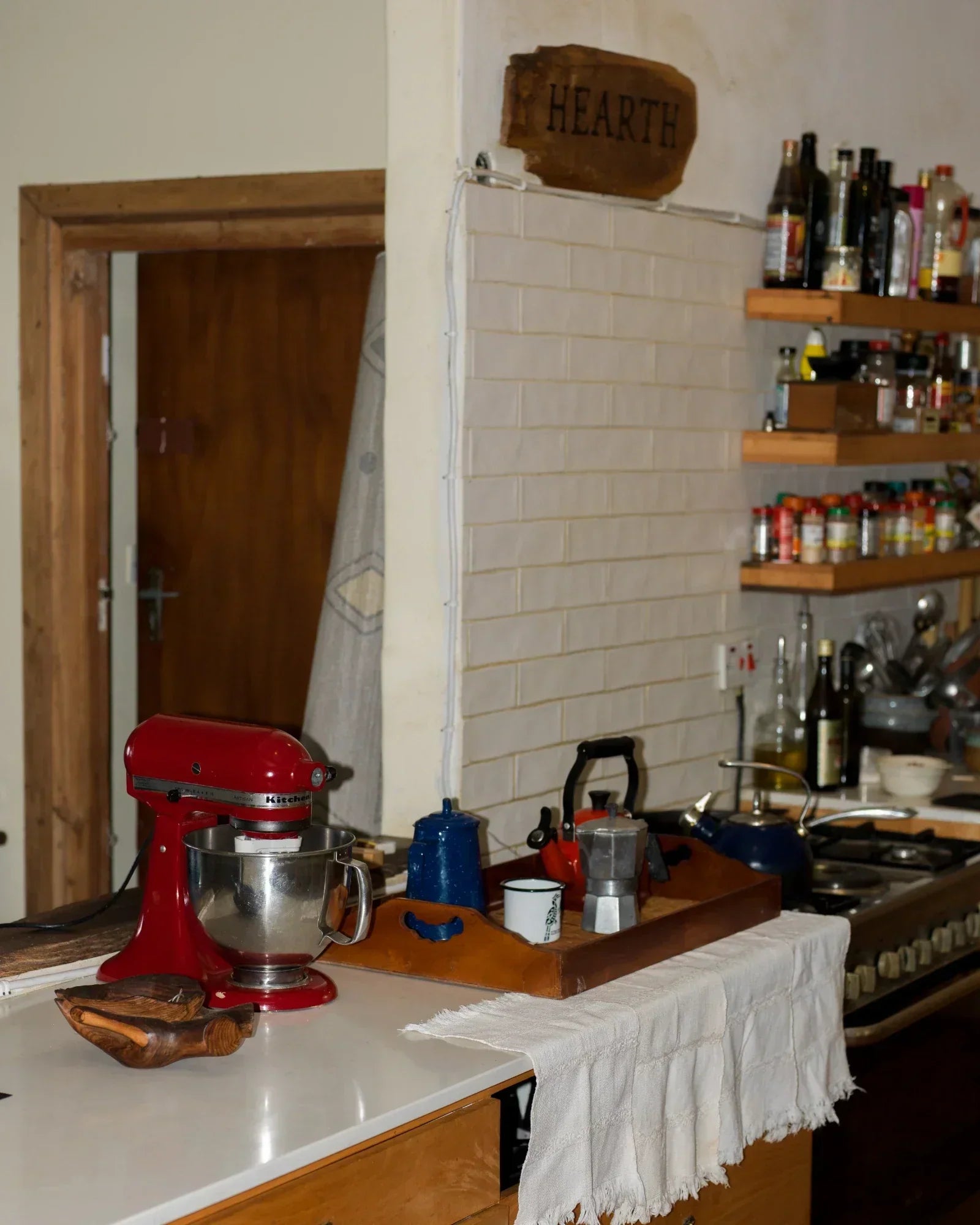
As the sun set in Zimbabwe’s lush Honde Valley, I watched kids push car tyres up and down the street, racing each other through the village. In Africa, most often, less is more. People are used to ...

Los Angeles resists clean outlines, and its coffee culture lives somewhere between softness and grit. Built from migration, precarious work, and long-standing food traditions, it moves at uneven te...
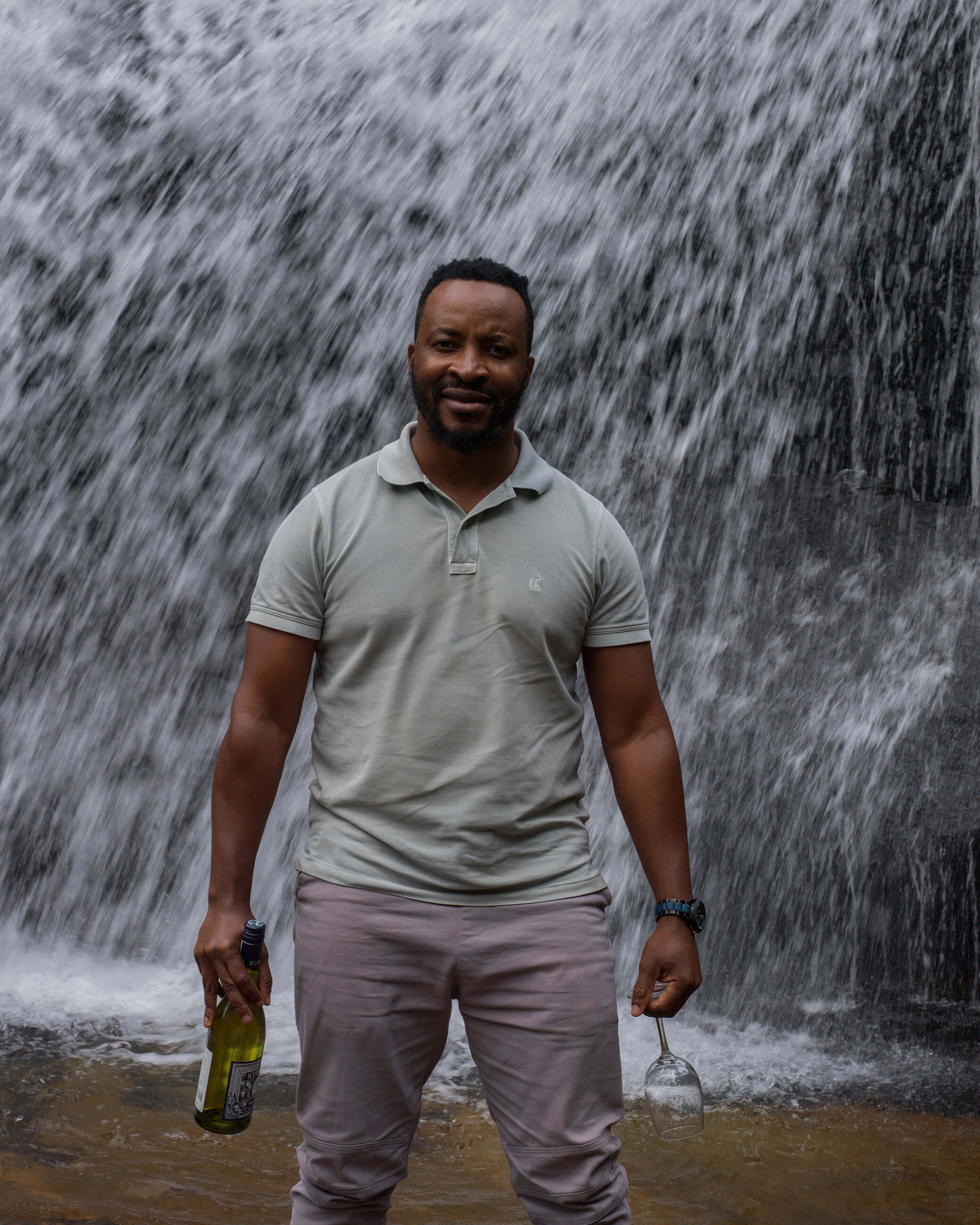
Tinashe Nyamudoka, founder of Kumusha Wines and Kumusha Coffee, is more than a world-class sommelier; he is a symbol of how wine, culture, and competition can challenge global narratives about tast...

When exploring foreign lands, few feelings compare to the triumph of discovering something known only to locals. Realizing these euphoric moments requires a healthy pinch of boldness, however; one ...
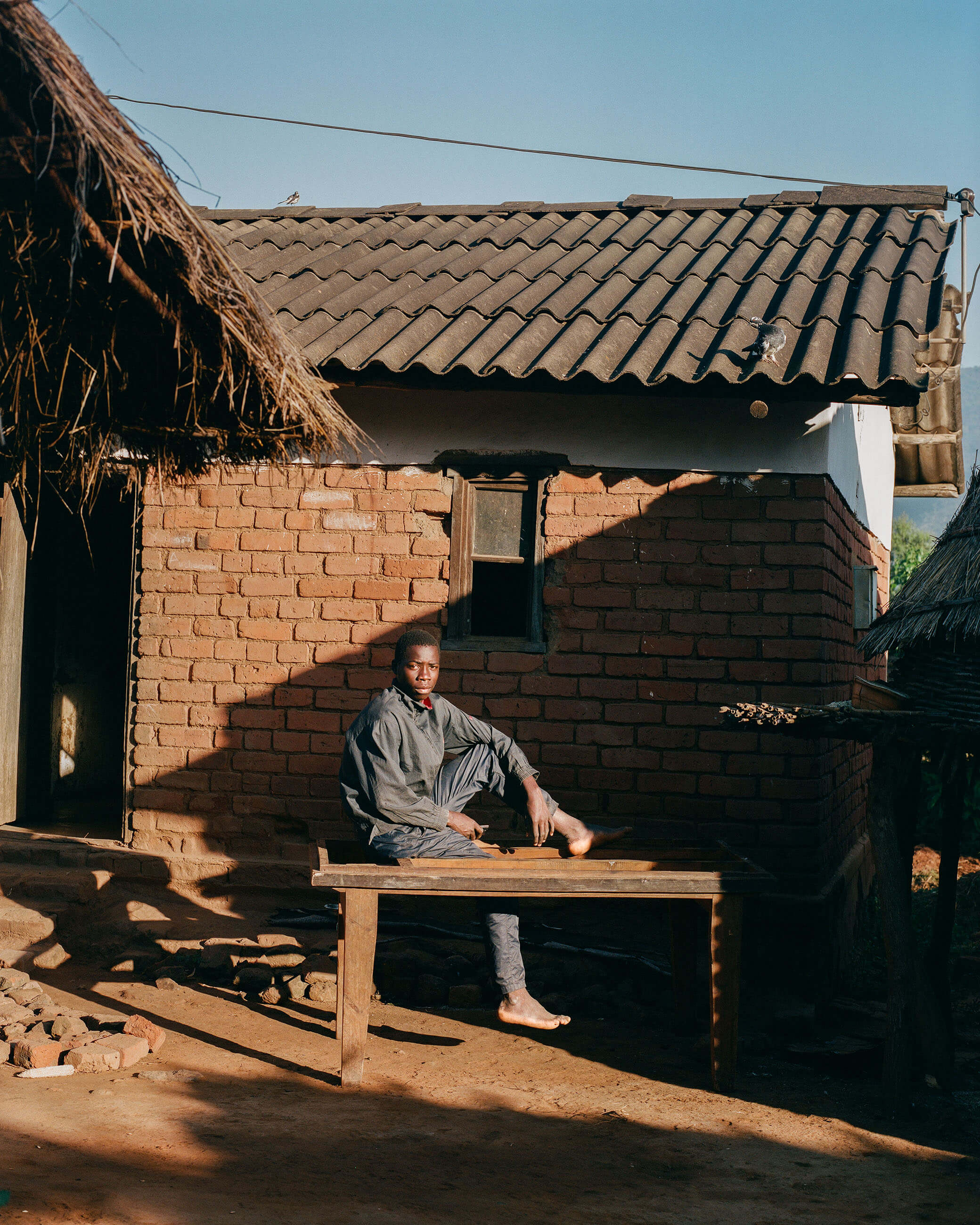
Some coffee origins are still in the process of becoming. Malawi is one of them—a place where potential feels tangible even if not fully realized. Farmers are steadily shaping a future for their co...

Blue-sky ski days to negroni nights, Hakuba is a 24-hour town hidden in the Japanese highlands. From the staunch octogenarian locals fiercely guarding their old traditions, to the young crowd of mu...
In recent years, matcha has become one of the most popular drinks ordered and enjoyed in cafes around the world. But with its growing popularity, several issues have also emerged, ranging from a la...

As coffee grew cheaper in 18th-century Europe, it spread beyond the elite, alarming German rulers. In Prussia, Frederick the Great saw it as a threat to order, economy, and authority. His efforts t...

The taxi from Nice took half an hour, the Tesla’s electric engine providing a faint, meditative whirr of the sort that invites introspection. I spent the journey mulling over questions. Something a...