Join us for a conversation with team Victoria Arduino, a proud partner of Standart Issue 27.
What inspired the move to provide the functionality to make filter coffee on an espresso machine?
Brewing with gravity requires time and a skilled barista. And the result can never be the same as it’s a manual activity. So, thinking about the need for a busy coffee shop, we wondered: why can't an espresso coffee machine make a filter coffee too? Can it be possible to make a filter coffee by simply pushing a button?
"There is an ocean of disparity between an ordinary cup of coffee and one that can fundamentally alter the dynamic of our day."
The challenge was to replicate the same gravity pressure and brewing routine of a traditional filter method using an espresso machine and portafilter. We designed and patented a new conical double mesh filter, discarding the need for a paper filter. The stainless steel conical basket has an electropolished treatment, defining the exact size and shape of the filter’s holes to increase TDS and flavour extraction. The new conical filter fits the group head of our espresso coffee machine, creating the perfect integrated and interchangeable system.
How would you describe the coffee made via the PureBrew system, compared to, say, espresso on the one hand and hand-brewed coffee on the other?
PureBrew is a new filtered coffee extraction method, with a full-bodied coffee as a result. Coffee is more syrupy, and round than other hand-brewed methods because Pure Brew Coffee uses a metal micro-thin double mesh filter that grants to get more oils and compounds to have a full mouthfeel. The brew is very clean. The brilliance of this new technology also lies in its extreme simplicity of use: just set the roasting level of your coffee (light, medium or dark) to get a fantastic new coffee experience.

PureBrew Filter Coffee replicates the brewing routine of the hand-brewed method but in an automated way granting consistency, repeatability and saving time. This extraction is comparable to hand-brewed coffee not to espresso.
How did you come up with the Maverick name? We know you took inspiration from baristas, the true mavericks of the specialty coffee industry, but what specifically causes you to think of baristas as mavericks?
From the beginning, we aimed to make the invisible visible. We took our cue from the achievements of the great and the good of the past when the maverick, a person who literally refuses to follow orders or rules of a group, discovered a moment of genius through key technological innovations of the 20th Century. Perhaps, being a rebel, a maverick, cannot be learnt. But behind every genius is the innovations that enabled them. Scientific discoveries, technological developments, and artistic movements have created the ideal conditions for alchemy. Without them, the maverick has the mentality but not the tools to change the world.
"Thinking about the need for a busy coffee shop, we wondered: why can't an espresso coffee machine make a filter coffee too?"
Apply the same logic to the barista and the noble coffee machine, when a collision of creative forces and bespoke technology can result in one perfect cup of coffee. But as we all know, there is an ocean of disparity between an ordinary cup of coffee and one that can fundamentally alter the dynamic of our day.
The first Black Eagle has done much to address this. By now, it's already become an iconic coffee machine cherished by baristas all over the globe. So how can we improve on that? The team went beyond a zone of pre-existing ideas, further than the space existing between the barista and technology, to a twilight plane of potential, a place where inspiration can be facilitated to create something profoundly unique. We knew we had to give the barista, the maverick, more. We gave them the Black Eagle Maverick.
This interview was published in partnership with Victoria Arduino.
Explore more stories

Rachel Apple is a Cup of Excellence Head Judge, photographer, and co-founder of Raise the Bar, a community and education platform for specialty coffee professionals. She loves bin diving for vinyl,...
As the sun set in Zimbabwe’s lush Honde Valley, I watched kids push car tyres up and down the street, racing each other through the village. In Africa, most often, less is more. People are used to ...

Los Angeles resists clean outlines, and its coffee culture lives somewhere between softness and grit. Built from migration, precarious work, and long-standing food traditions, it moves at uneven te...
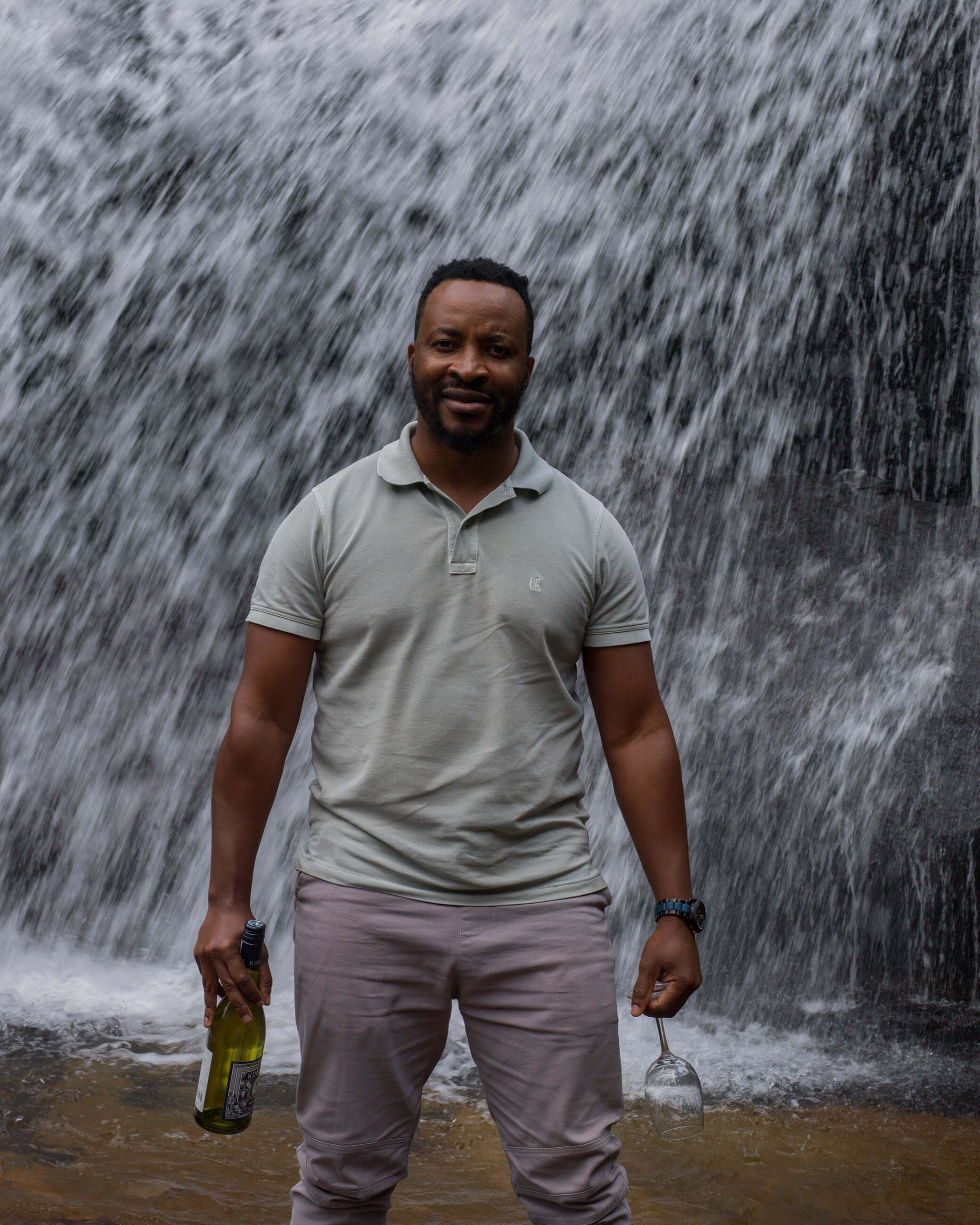
Tinashe Nyamudoka, founder of Kumusha Wines and Kumusha Coffee, is more than a world-class sommelier; he is a symbol of how wine, culture, and competition can challenge global narratives about tast...

When exploring foreign lands, few feelings compare to the triumph of discovering something known only to locals. Realizing these euphoric moments requires a healthy pinch of boldness, however; one ...
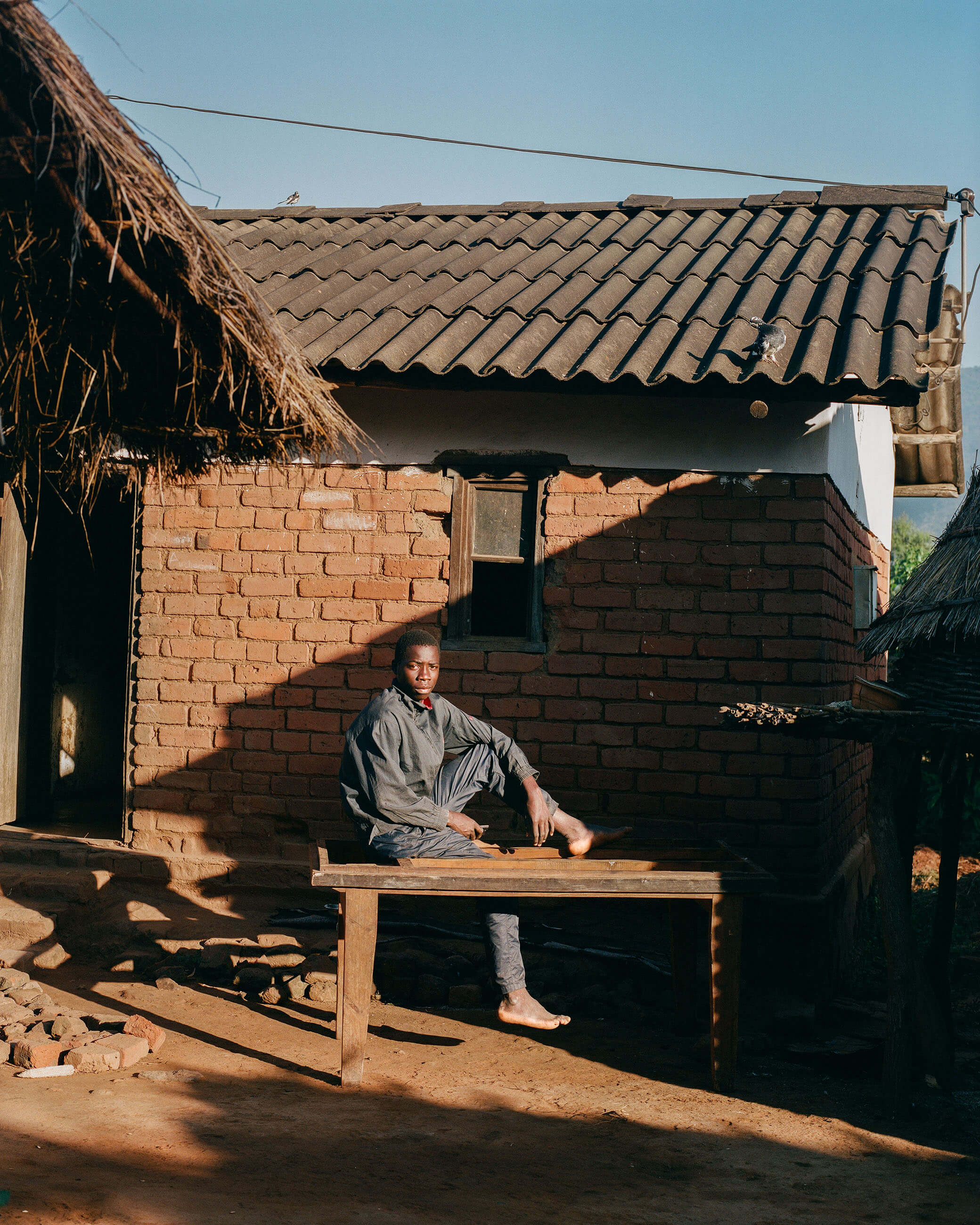
Some coffee origins are still in the process of becoming. Malawi is one of them—a place where potential feels tangible even if not fully realized. Farmers are steadily shaping a future for their co...

Blue-sky ski days to negroni nights, Hakuba is a 24-hour town hidden in the Japanese highlands. From the staunch octogenarian locals fiercely guarding their old traditions, to the young crowd of mu...
In recent years, matcha has become one of the most popular drinks ordered and enjoyed in cafes around the world. But with its growing popularity, several issues have also emerged, ranging from a la...

As coffee grew cheaper in 18th-century Europe, it spread beyond the elite, alarming German rulers. In Prussia, Frederick the Great saw it as a threat to order, economy, and authority. His efforts t...

Valtteri Bottas is a known quantity at Standart, being as he is a past interviewee and co-owner of Finnish roastery Kahiwa. He moves quickly, and not only when he’s piloting an earthbound rocket ar...