The century coffee was first grown in India. It is said that a Sufi holy man brought seven coffee beans to the country from Mocha, a regional coffee marketplace in modern-day Yemen.
Later, the East India Company and British entrepreneurs set up an impressive two-tiered mixed-shade canopy system to spread and support coffee cultivation throughout the country and even today, Indian coffee production benefits from this system. The widespread use of inter-cropping means that Indian coffees are informed with spicy and fruity aromatic flavours, and as the third-wave revolution has swept across the local coffee landscape, growers are taking another look at production and post-harvesting systems to be able to put a consciously and carefully brewed cup before consumers.
India is now the world’s sixth-largest producer of coffee, accounting for 3.14% of the global output, 39% of which is 'speciality'.
* Taken from India origin profile in Standart issue 20

 The colour red almost certainly plays a prominent role in your favourite fast- food establishment.
For fast-food and casual restaurants where volume is the primary consideration, red is employed to increase customers’ heart rates and blood pressure, and even to stimulate impulse eating.
The theory here is that if exposed to red inputs, guests will dine at a faster rate due to their enhanced appetite, which in turn will allow for timely table turnover, allowing for the restaurant to turn a tidy profit due to the sheer volume of customers.
* Taken from the Hospitality Roundup in Standart issue 20

Did you know that in 2015 the coffee industry had an estimated value of $200bn? Only $16bn stayed in producing countries. That's less than 10%.
* Taken from the SHOUT, Standart issue 20, where we asked Ximena Rubio, Head of Coffee at Licorería Limantour in Mexico City, what pisses her off about the coffee world.
Colour changes what we taste
 In one study, for instance, around 20 per cent of the participants reported that a cherry-flavoured solution tasted of orange when it was coloured orange, and of lime when coloured green.
Another study showed that colouring birch beer yellow misled a significant number of participants into thinking they were tasting Listerine! Even studies in which the participants are told to ignore the potentially misleading colouring of drinks, the crossmodal effects of colour on flavour identification are evident, while despite some reported null effects, adding additional colouring to a food or beverage can lead to a more intense perception of taste and/or flavour, with brighter colours corresponding to stronger flavours.
* Taken from Colour and Perception, Standart issue 20, in which neuroscientist Fabiana Carvalho takes us through the very latest research on how colour literally changes the flavour of coffee, as we ask the question, is the specialty coffee industry doing all it can to exploit the power of the mind?
Coffee was once a wild crop in Ethiopia, coexisting with a variety of plants, insects, and birds, and it is this removal of coffee from its original habitat that has brought about the present-day unsustainability.
 The agroforestry movement supports the development of similar systems for coffee farms that are not located within the prime growing climate of East Africa, such as by growing coffee alongside other crops, and planting trees to ensure a more nutrient-diverse soil that promotes more complex and varied microclimates. Most coffee farmers in Africa are smallholders, growing coffee on 1 hectare or less of land that is normally intercropped with a multitude of other species, but most plantations elsewhere in the world have become far removed from this sustainable, time-honoured approach.
One country is at the forefront of letting nature reign over—or at least intrude into— coffee farms: Brazil. As the world’s leading exporter, Brazil plays an outsize role in driving coffee production forward, in this case by going back by replicating as far as possible the original form of coffee production.
* Taken from Agroforestry: A Path Forward, Standart issue 20, in which we explore how agroforestry is working in Brazil to benefit more than just the environment.
Explore the world through coffee-tinted spectacles
Awarded 2017, 2018 and 2019 Best Coffee Magazine*, Standart is a well-curated, independent print publication that explores the beauty and diversity of coffee culture.
It started with a simple goal in mind: to celebrate the culture of specialty coffee through a marriage of thoughtful writing and beautiful design.
Every issue has 15 articles, stories, interviews and essays from some of the brightest minds in coffee, and beyond.
Subscribe now and receive samples of coffee from some of the world's best roasters with every issue.
Subscribe
*sprudge.com, Sprudgie awards.
Explore more stories

Rachel Apple is a Cup of Excellence Head Judge, photographer, and co-founder of Raise the Bar, a community and education platform for specialty coffee professionals. She loves bin diving for vinyl,...
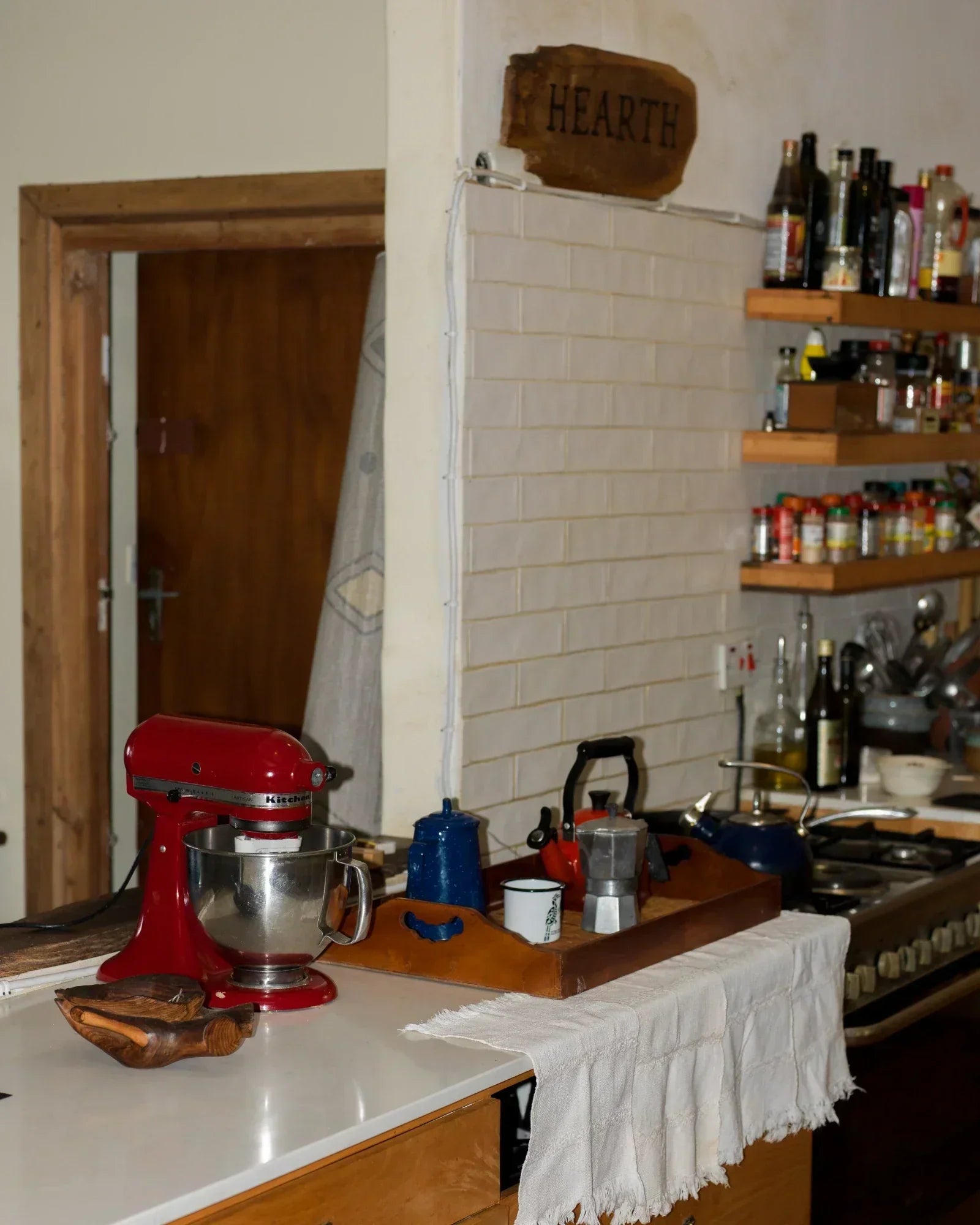
As the sun set in Zimbabwe’s lush Honde Valley, I watched kids push car tyres up and down the street, racing each other through the village. In Africa, most often, less is more. People are used to ...

Los Angeles resists clean outlines, and its coffee culture lives somewhere between softness and grit. Built from migration, precarious work, and long-standing food traditions, it moves at uneven te...

Tinashe Nyamudoka, founder of Kumusha Wines and Kumusha Coffee, is more than a world-class sommelier; he is a symbol of how wine, culture, and competition can challenge global narratives about tast...

When exploring foreign lands, few feelings compare to the triumph of discovering something known only to locals. Realizing these euphoric moments requires a healthy pinch of boldness, however; one ...
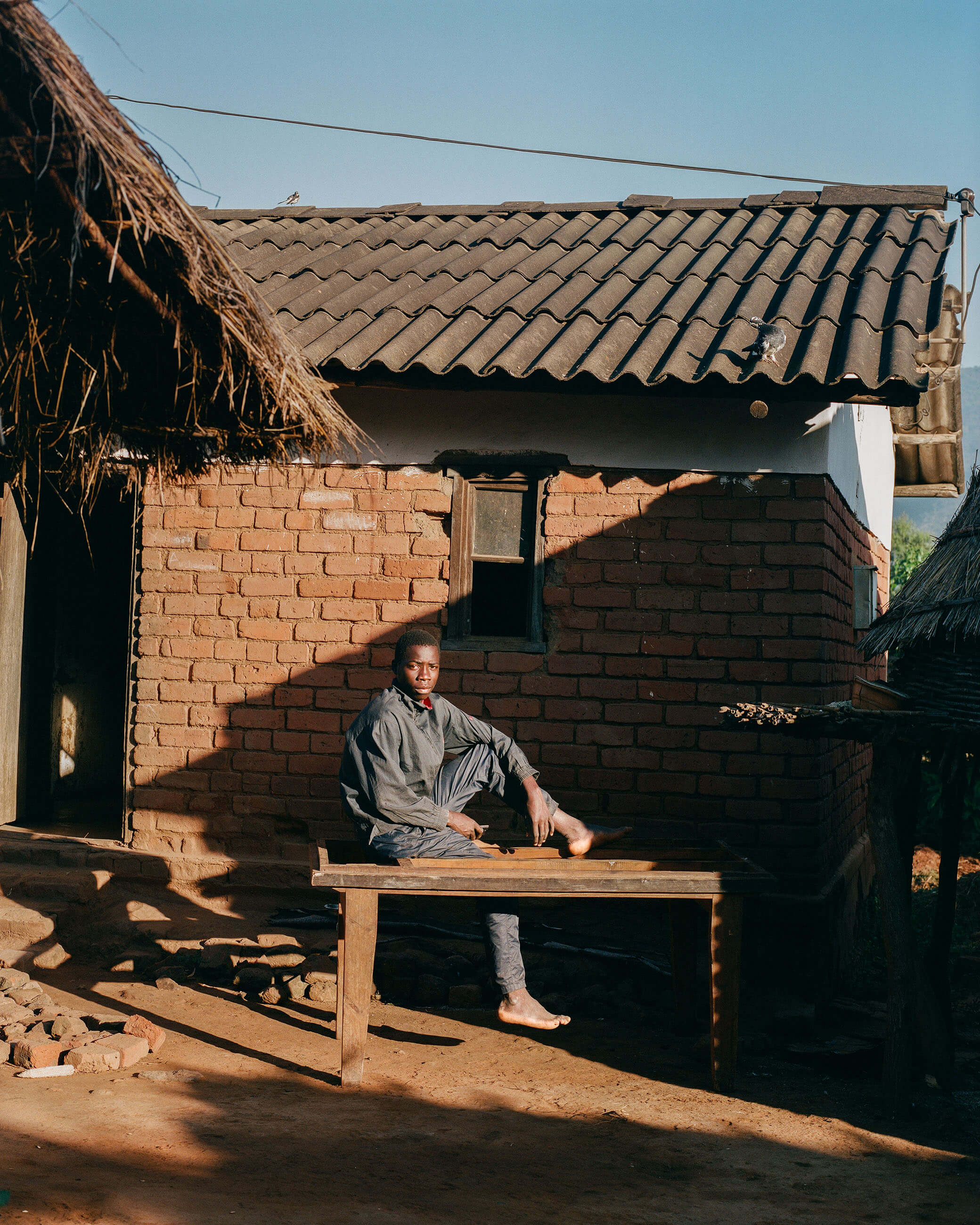
Some coffee origins are still in the process of becoming. Malawi is one of them—a place where potential feels tangible even if not fully realized. Farmers are steadily shaping a future for their co...

Blue-sky ski days to negroni nights, Hakuba is a 24-hour town hidden in the Japanese highlands. From the staunch octogenarian locals fiercely guarding their old traditions, to the young crowd of mu...

In recent years, matcha has become one of the most popular drinks ordered and enjoyed in cafes around the world. But with its growing popularity, several issues have also emerged, ranging from a la...

As coffee grew cheaper in 18th-century Europe, it spread beyond the elite, alarming German rulers. In Prussia, Frederick the Great saw it as a threat to order, economy, and authority. His efforts t...

Valtteri Bottas is a known quantity at Standart, being as he is a past interviewee and co-owner of Finnish roastery Kahiwa. He moves quickly, and not only when he’s piloting an earthbound rocket ar...