Join us for a short conversation with Ayane Yamada and Masahi Goto, the founders of TYPICA, and proud partners of Standart Issue 25.
What makes your green coffee trading platform unique, and where did the journey begin?
Our platform is unique in six aspects.
1. Diverse producer selection. Our micro-lot and nano lots are from a very diverse selection of producers. In 2021, we will be providing coffee from 21 countries.
2. Quality content. As coffee beans in e-commerce are growing, we feel the importance of sharing interviews and photos.
3. Transparency. We share price breakdowns and most importantly, we allow the producers to set the prices themselves. We are pursuing direct trade in the long term.
4. Creating community. We hold multiple sessions in a month for roasters to have the opportunity to meet up with producers from each country. Participation is available to anyone interested.
5. Hands-on support at the site of production. We have placed a Curator in each production site to help with the following: conducting interviews and shooting photos for content, developing new coffee farms, teaching ways to increase quality, lending funds and investing.
6. Everything is digital. By digitizing, we can offer seasonal crops as soon as they are available and provide reasonable prices.

Our journey began with Ayane Yamada, one of the founders of Typica. Ayane started as a roaster, and it was while she was a roaster when she felt frustrated with the coffee sourcing. Speciality coffee was meant to be something where the uniqueness of the region and its producers is expressed, though she struggled to find a way to access the information she wanted about the beans. It was from these struggles that she wanted to create a platform where any roaster, regardless of size and experience, can have the opportunity to connect with producers.
Your goal is to grow the community to 5,000 producers across 70 countries worldwide by 2025. How do you make the global direct trade from 1 bag of coffee possible at a reasonable cost for all sides involved?
We make reasonable prices possible because we are digitized. First, we only order what has been reserved in the offer list. By understanding how many orders have been made in advance, we can find the most cost-efficient logistics - this brings down the freight cost. In addition, as we only order what has been reserved, there is no cost to managing stocks. Moreover, through digital transformation, we were able to create an effective operation process that allows us to operate in a small team, bringing down the fee even more.
How do you see the impact of digital transformation on green coffee trading?
The impact green coffee trading will have due to digital transformation is transparency. Digitalization helps create a transparent and simple supply chain, this means that we can create a world where producers’ efforts will be rewarded. We can create a positive chain reaction where this can help build a sustainable coffee industry, which will boost the number of high-quality producers, and in turn, expand coffee origin diversity. Transparency can protect and grow the coffee industry.
'Speciality coffee was meant to be something where the uniqueness of the region and its producers is expressed.'
Being digital also means that we can act fast. We currently already offer coffee beans that are in season, but perhaps one day, we can enjoy coffee as a seasonal drink, where we can enjoy each flavour in its season.
This interview was published in partnership with Typica.
Explore more stories

Rachel Apple is a Cup of Excellence Head Judge, photographer, and co-founder of Raise the Bar, a community and education platform for specialty coffee professionals. She loves bin diving for vinyl,...
As the sun set in Zimbabwe’s lush Honde Valley, I watched kids push car tyres up and down the street, racing each other through the village. In Africa, most often, less is more. People are used to ...

Los Angeles resists clean outlines, and its coffee culture lives somewhere between softness and grit. Built from migration, precarious work, and long-standing food traditions, it moves at uneven te...
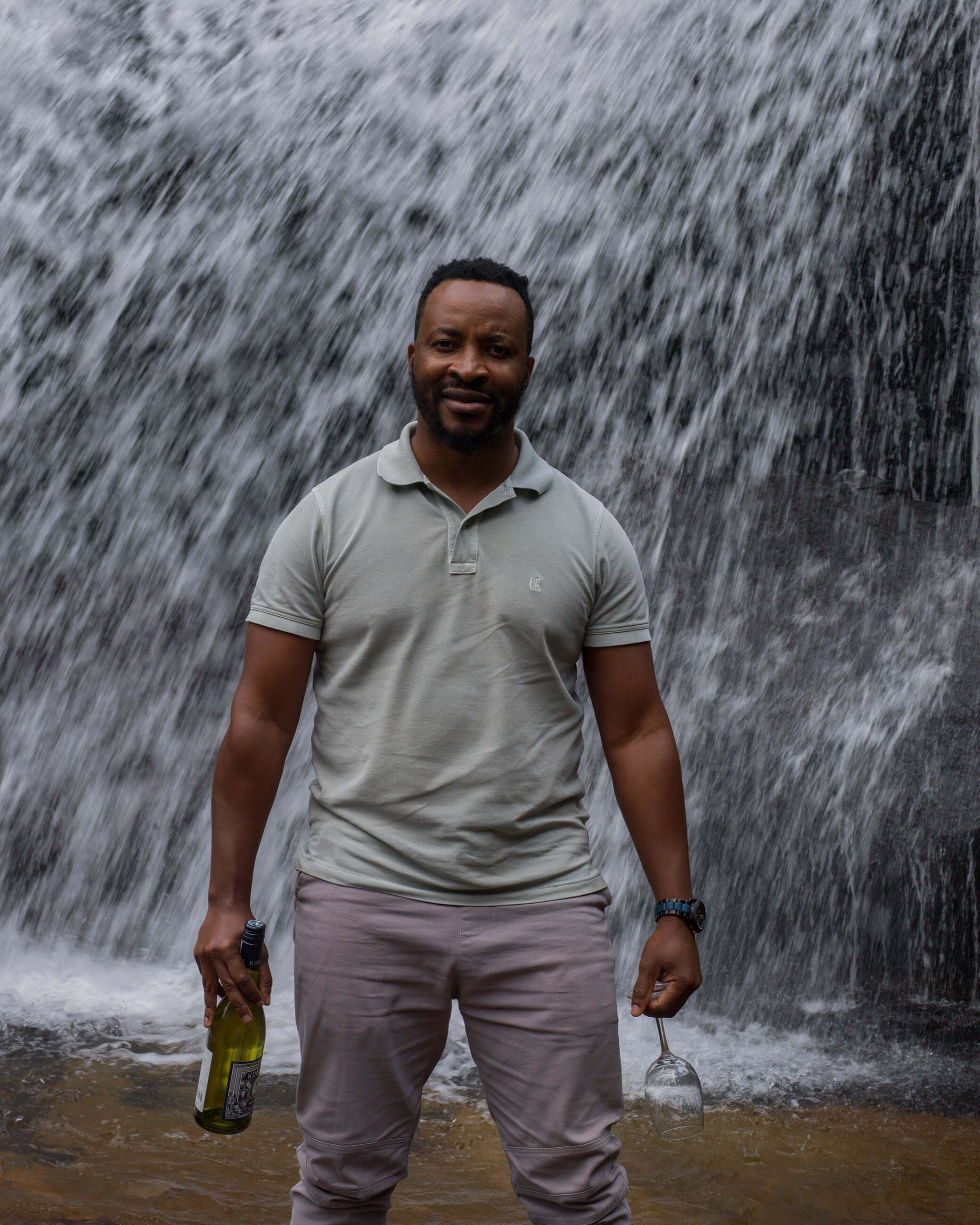
Tinashe Nyamudoka, founder of Kumusha Wines and Kumusha Coffee, is more than a world-class sommelier; he is a symbol of how wine, culture, and competition can challenge global narratives about tast...

When exploring foreign lands, few feelings compare to the triumph of discovering something known only to locals. Realizing these euphoric moments requires a healthy pinch of boldness, however; one ...
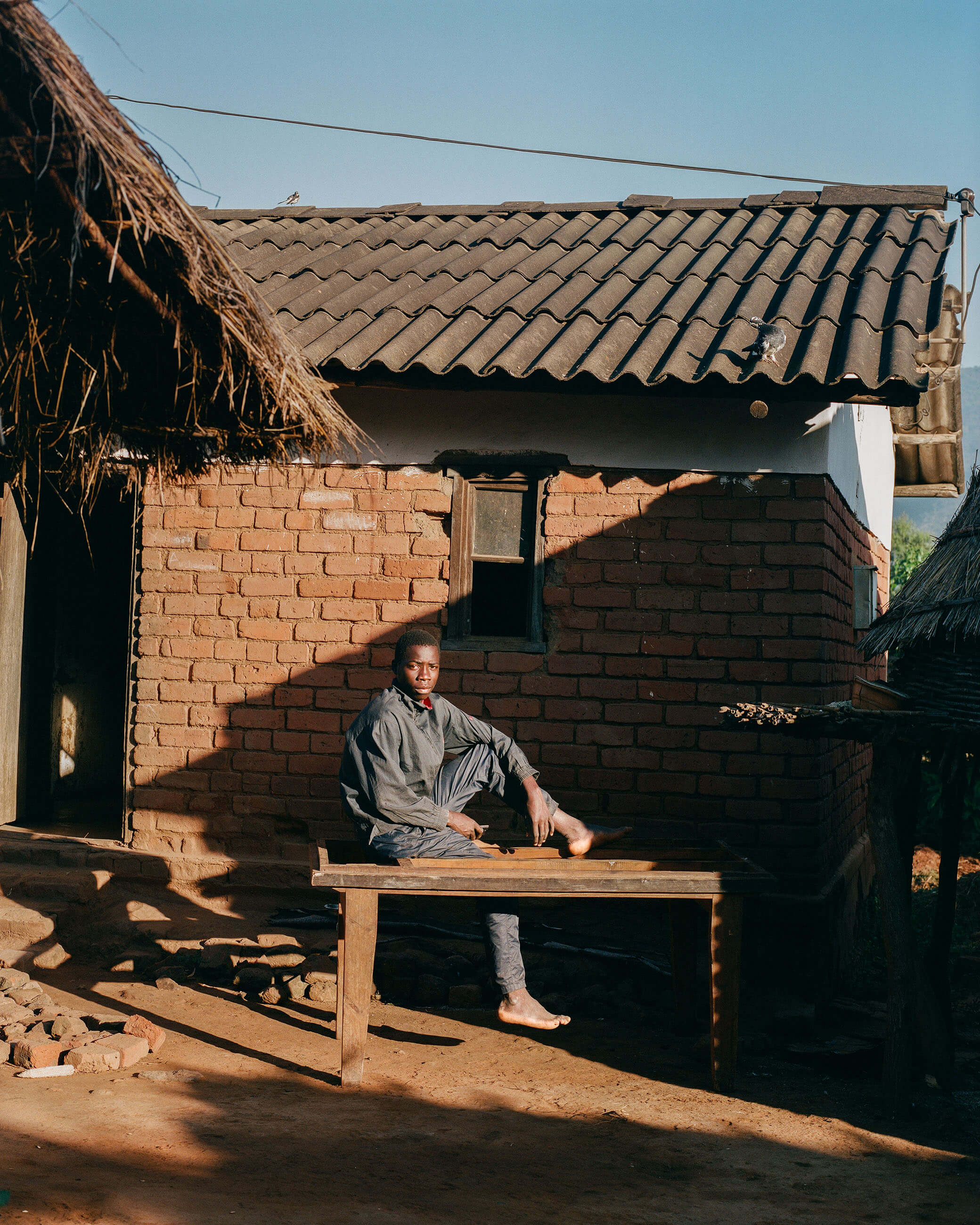
Some coffee origins are still in the process of becoming. Malawi is one of them—a place where potential feels tangible even if not fully realized. Farmers are steadily shaping a future for their co...

Blue-sky ski days to negroni nights, Hakuba is a 24-hour town hidden in the Japanese highlands. From the staunch octogenarian locals fiercely guarding their old traditions, to the young crowd of mu...

In recent years, matcha has become one of the most popular drinks ordered and enjoyed in cafes around the world. But with its growing popularity, several issues have also emerged, ranging from a la...

As coffee grew cheaper in 18th-century Europe, it spread beyond the elite, alarming German rulers. In Prussia, Frederick the Great saw it as a threat to order, economy, and authority. His efforts t...

Valtteri Bottas is a known quantity at Standart, being as he is a past interviewee and co-owner of Finnish roastery Kahiwa. He moves quickly, and not only when he’s piloting an earthbound rocket ar...