Join us for a short conversation with Veronika Galova, the Head of Marketing at ROEST, and a proud partner of Standart Issue 23.
Would you tell us a little more about the hybrid drum technology and what this delivers to the user?
Basically, it's the best of both worlds! What do we mean by that? When developing ROEST we took the best of two roasting technologies—small hot air and conventional open drums—and combined them. This hybrid technology gives roasters a ton of advantages, ensures consistency, and provides production-ready power.
'The more information you can get from the roaster, the more you can improve your roasting skills.'
The drum itself is fixed and paddles actually agitate the coffee. Hot air passes through openings in the drum wall and moves diagonally across the roasting chamber, creating a uniform heat distribution throughout the entire length of the drum. The coffee moves almost like a constant breaking wave, falling over the heated air with each rotation, with time to absorb the applied heat.

There are two ways of controlling the machine: power and temperature. Altering the power percentage directly changes the power input to the heating elements, whereas adjusting the temperature triggers an automatic change of power input so that the correct temperature is achieved. For more details about how it works, please visit our website here.
What is the tech behind the automatic first-crack detection system?
Another of ROEST’s innovative features is its detection system which makes it the first sample roaster to automatically register the First Crack. A godsend for those looking to achieve super high consistency across individual batches and revealing the true potential of every cup.
For businesses roasting multiple batches per day, it is an enormous relief: now you can finally rely on automatic technology to help you perfect the without much attention and interaction. Coffee professionals see the value in a new information to work with and learn from, and for newbies in roasting, it is a great help on their path to roasting glory.

How it works: The sample roaster automatically detects and registers the first crack and based on a pre-set development time, roasts the coffee without any human input. Traditionally, first crack detection is registered manually, by listening closely to the roaster for sounds of the first crack. Naturally, that is not always consistent. Automatic detection keeps all your roasts consistent and in our customer’s words “You don’t have to stand and watch the coffee all the time.”
How does ROEST provide for the beginner roaster to improve their skills through connectivity?
With the ROEST sample roaster, you can measure bean or environmental temperature, exhaust temperature, adjust drum speed, power, and the fan. All with digital precision. The more information you can get from the roaster, the more you can improve your roasting skills.
The roaster connects through Wifi to a dedicated roasting web portal on your device. Here you can follow the live view of all your roasts, create and share your profiles, and store your roasting logs in the cloud.
This interview was published in partnership with ROEST.
Explore more stories

Rachel Apple is a Cup of Excellence Head Judge, photographer, and co-founder of Raise the Bar, a community and education platform for specialty coffee professionals. She loves bin diving for vinyl,...
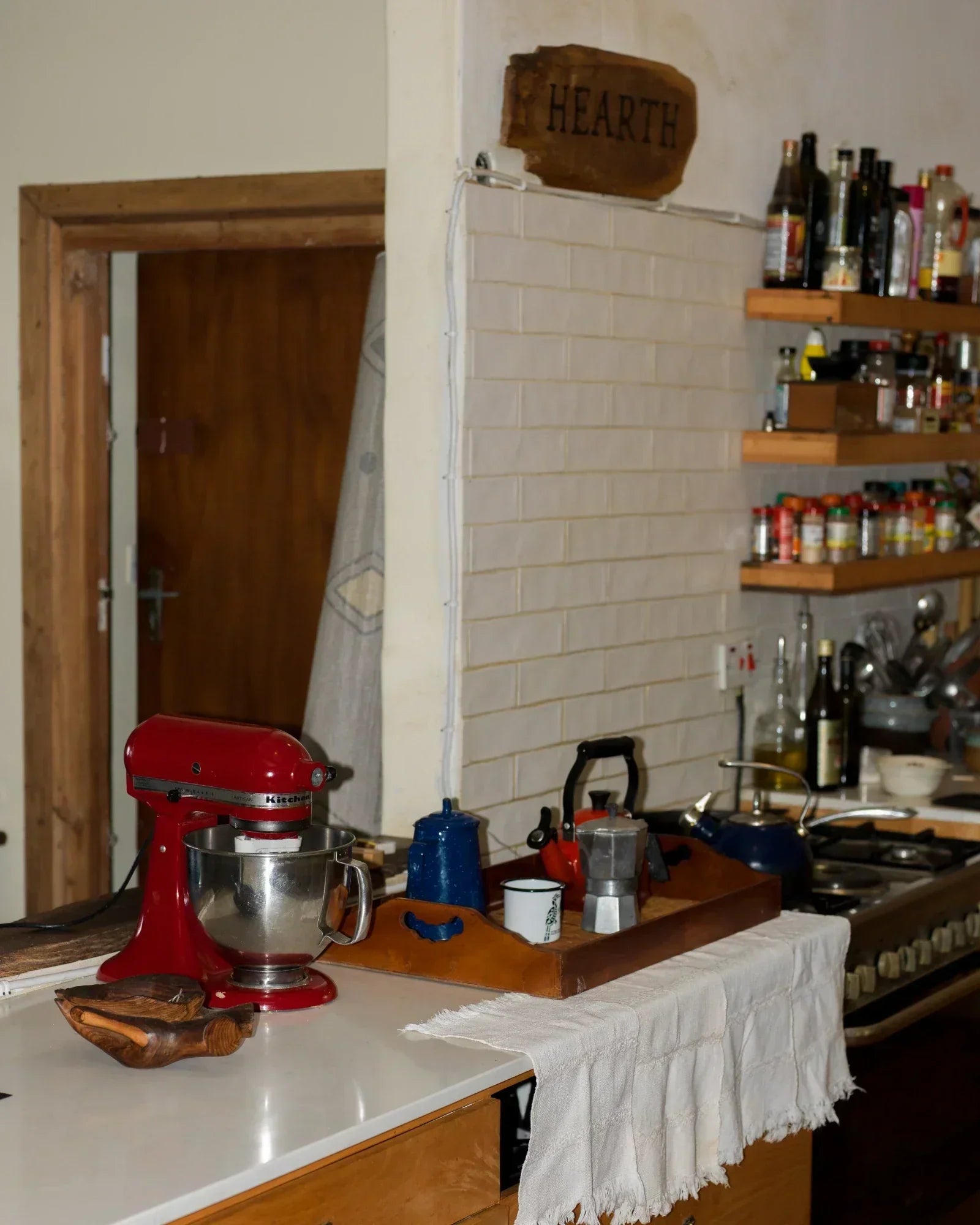
As the sun set in Zimbabwe’s lush Honde Valley, I watched kids push car tyres up and down the street, racing each other through the village. In Africa, most often, less is more. People are used to ...

Los Angeles resists clean outlines, and its coffee culture lives somewhere between softness and grit. Built from migration, precarious work, and long-standing food traditions, it moves at uneven te...

Tinashe Nyamudoka, founder of Kumusha Wines and Kumusha Coffee, is more than a world-class sommelier; he is a symbol of how wine, culture, and competition can challenge global narratives about tast...

When exploring foreign lands, few feelings compare to the triumph of discovering something known only to locals. Realizing these euphoric moments requires a healthy pinch of boldness, however; one ...
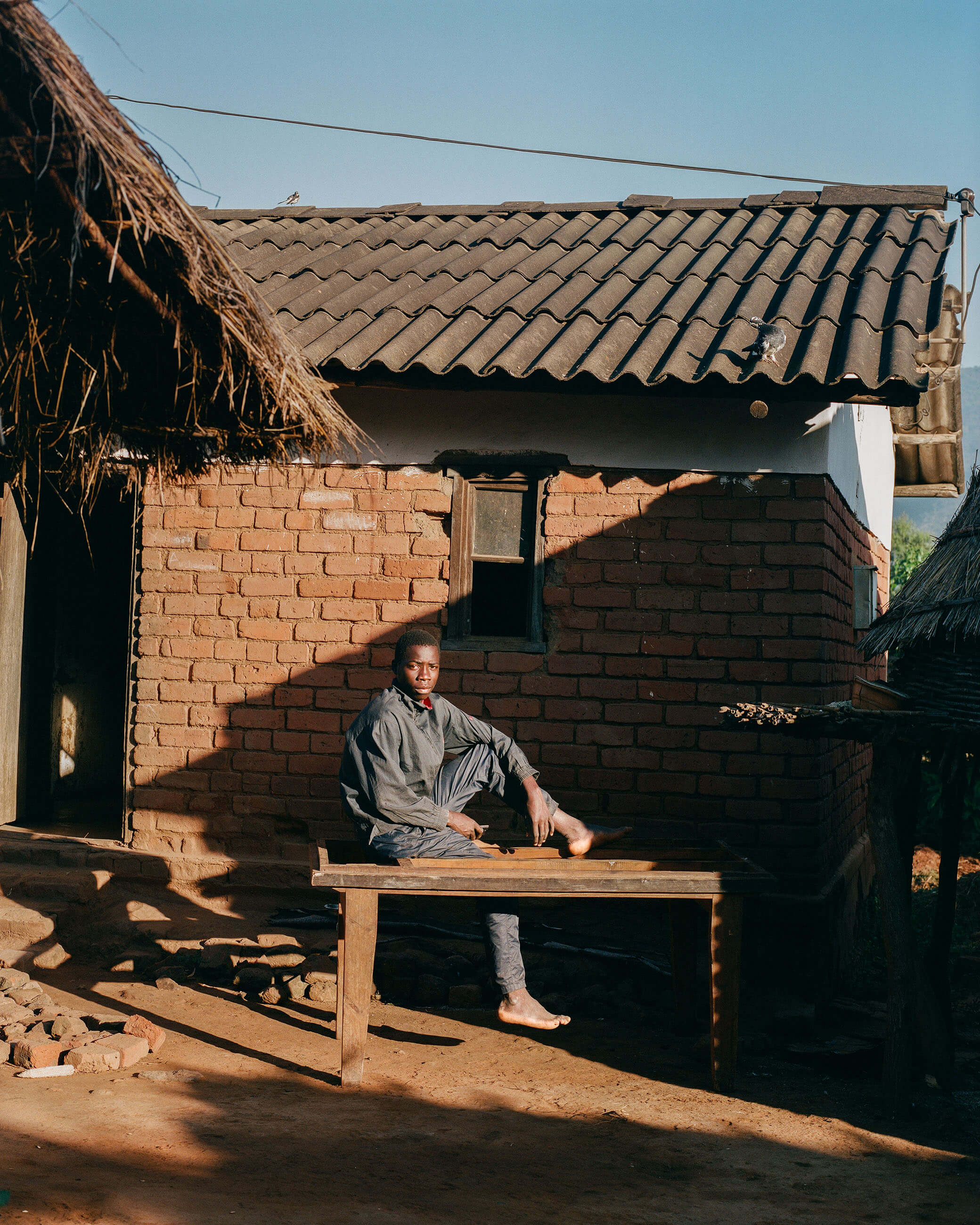
Some coffee origins are still in the process of becoming. Malawi is one of them—a place where potential feels tangible even if not fully realized. Farmers are steadily shaping a future for their co...

Blue-sky ski days to negroni nights, Hakuba is a 24-hour town hidden in the Japanese highlands. From the staunch octogenarian locals fiercely guarding their old traditions, to the young crowd of mu...

In recent years, matcha has become one of the most popular drinks ordered and enjoyed in cafes around the world. But with its growing popularity, several issues have also emerged, ranging from a la...

As coffee grew cheaper in 18th-century Europe, it spread beyond the elite, alarming German rulers. In Prussia, Frederick the Great saw it as a threat to order, economy, and authority. His efforts t...

Valtteri Bottas is a known quantity at Standart, being as he is a past interviewee and co-owner of Finnish roastery Kahiwa. He moves quickly, and not only when he’s piloting an earthbound rocket ar...